Abbreviations

Abbreviations

GMB

Adult glioblastoma

pHGG

Paediatric high-grade glioma

UNCAN

EU initiative for understanding cancer

MRI

Magnetic resonance imaging 

SOC

Standard of care

I/O

Immuno-oncology

TTF

Tumour treating fields

Spatial proteomics named 2024 Method of the Year by Nature Methods

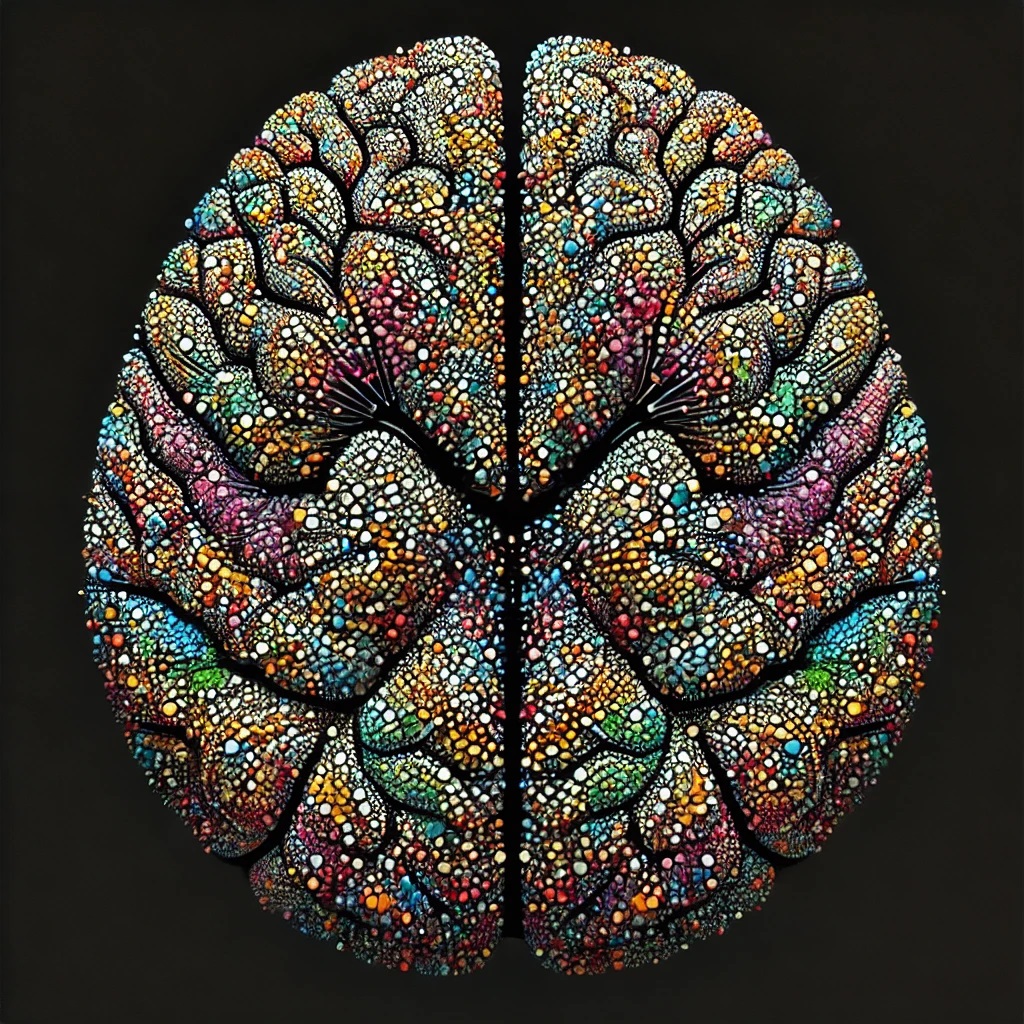
Spatial proteomics has been named 2024 Method of the Year by Nature Methods. This technique, which maps protein distributions within tissues with high resolution, is central to the GLIOMATCH project, where we use it to study the glioblastoma tumour microenvironment.

Key contributions to this work come from Frederik De Smet’s lab at KU Leuven, through the KU Leuven Institute for Single Cell Omics (LISCO), which holds expertise in multiplex immunohistochemistry (mIHC), advanced bioinformatics, and cutting-edge spatial mapping technologies like MILAN, Phenocycler, and COMET by Lunaphore. Meanwhile, Aspect Analytics supports the integration of multi-omics data from various spatial proteomics platforms, enabling a comprehensive understanding of tissue biology and protein interactions.

To find out more about how GLIOMATCH uses spatial proteomics, visit our project and work plan pages.
Follow GLIOMATCH on LinkedIn and Facebook for more information on brain tumour research and updates on our milestones towards improving the clinical outcomes of GBM and pHGG.

More Posts

GLIOMATCH results contribute to new EIC-funded project GLIOBREAK

On International Childhood Cancer Day, GLIOMATCH highlights the urgent need for research into paediatric high-grade gliomas (pHGGs), rare and aggressive brain tumours affecting children. With a median survival of just over one year and no curative treatment available, collaborative research efforts are essential to better understand the disease, develop dedicated models, and tailor therapies that improve outcomes and quality of life for young patients and their families.

International Childhood Cancer Day 2026

On International Childhood Cancer Day, GLIOMATCH highlights the urgent need for research into paediatric high-grade gliomas (pHGGs), rare and aggressive brain tumours affecting children. With a median survival of just over one year and no curative treatment available, collaborative research efforts are essential to better understand the disease, develop dedicated models, and tailor therapies that improve outcomes and quality of life for young patients and their families.

International Day of Women and Girls in Science 2026

GLIOMATCH celebrates the women researchers across its consortium whose expertise and commitment drive the development of tailored immunotherapies for malignant brain tumours, marking the International Day of Women and Girls in Science 2026.

World Cancer Day 2026

On World Cancer Day 2026, GLIOMATCH highlights the importance of placing patient perspectives at the heart of cancer research, particularly for glioblastoma, one of the most aggressive and difficult-to-treat brain tumours.