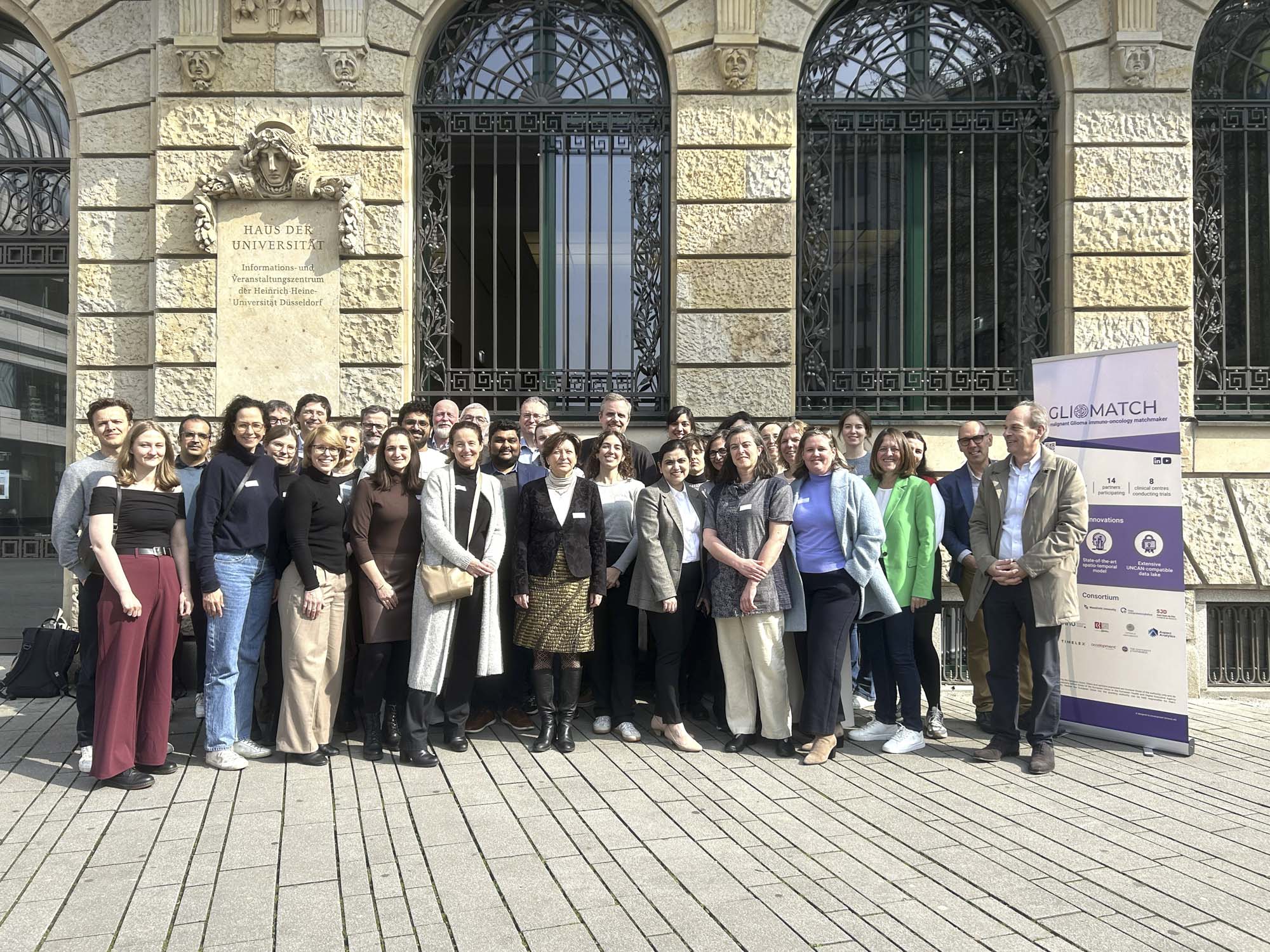
On International Childhood Cancer Day 2026, GLIOMATCH highlights the urgent need for research into paediatric high-grade gliomas (pHGGs), rare and aggressive brain tumours affecting children. With a median survival of just over one year and no curative treatment available, collaborative research efforts are essential to better understand the disease, develop dedicated models, and tailor therapies that improve outcomes and quality of life for young patients and their families.
About ICCD
Advancing Research for Children with Paediatric High-Grade Gliomas
Gliomas in children have very specific genetic alterations that we do not find in their adult counterparts. From a biological point of view, they are completely different. Therefore, it is important to focus our research on developing models to study these paediatric high-grade gliomas.
Currently, the only proven life-prolonging treatment for pHGG is radiotherapy, and we still do not have a curative treatment. This makes it incredibly important to better understand the disease. By doing so, we can guide patients towards the therapies that are most beneficial for them and their quality of life. Through building and analysing a large cohort of pHGG, GLIOMATCH aims to better study this disease and further tailor treatment for our patients.
It is incredibly difficult to face parents with the fate of their children. That is why it is so important that we move the field forward. As this is a very rare disease, it is essential to unite knowledge, work in large consortia, and pool all the information we can from different teams. This is the only way we can improve outcomes for children affected by this disease.
On the occasion of International Childhood Cancer Day, we also highlight the contribution of our GLIOMATCH partners from KU Leuven (KUL) and University Hospitals Leuven (UZL), who participated in the Glioblastoma Research Organisation’s ‘GBM Podcast’.
In the episode, Prof. Dr. Sandra Jacobs, paediatric oncologist at the University Hospital of Leuven, presents a dedicated segment (from minute 40 onwards) focusing on paediatric gliomas, the key challenges in treating this rare and aggressive disease, and the impact GLIOMATCH is striving to achieve to improve outcomes for affected children.
We invite you to watch the episode and learn more about how collaborative research is working to move the field forward.