Abbreviations

Abbreviations

GMB

Adult glioblastoma

pHGG

Paediatric high-grade glioma

UNCAN

EU initiative for understanding cancer

MRI

Magnetic resonance imaging 

SOC

Standard of care

I/O

Immuno-oncology

TTF

Tumour treating fields

International Day of Women and Girls in Science 2026

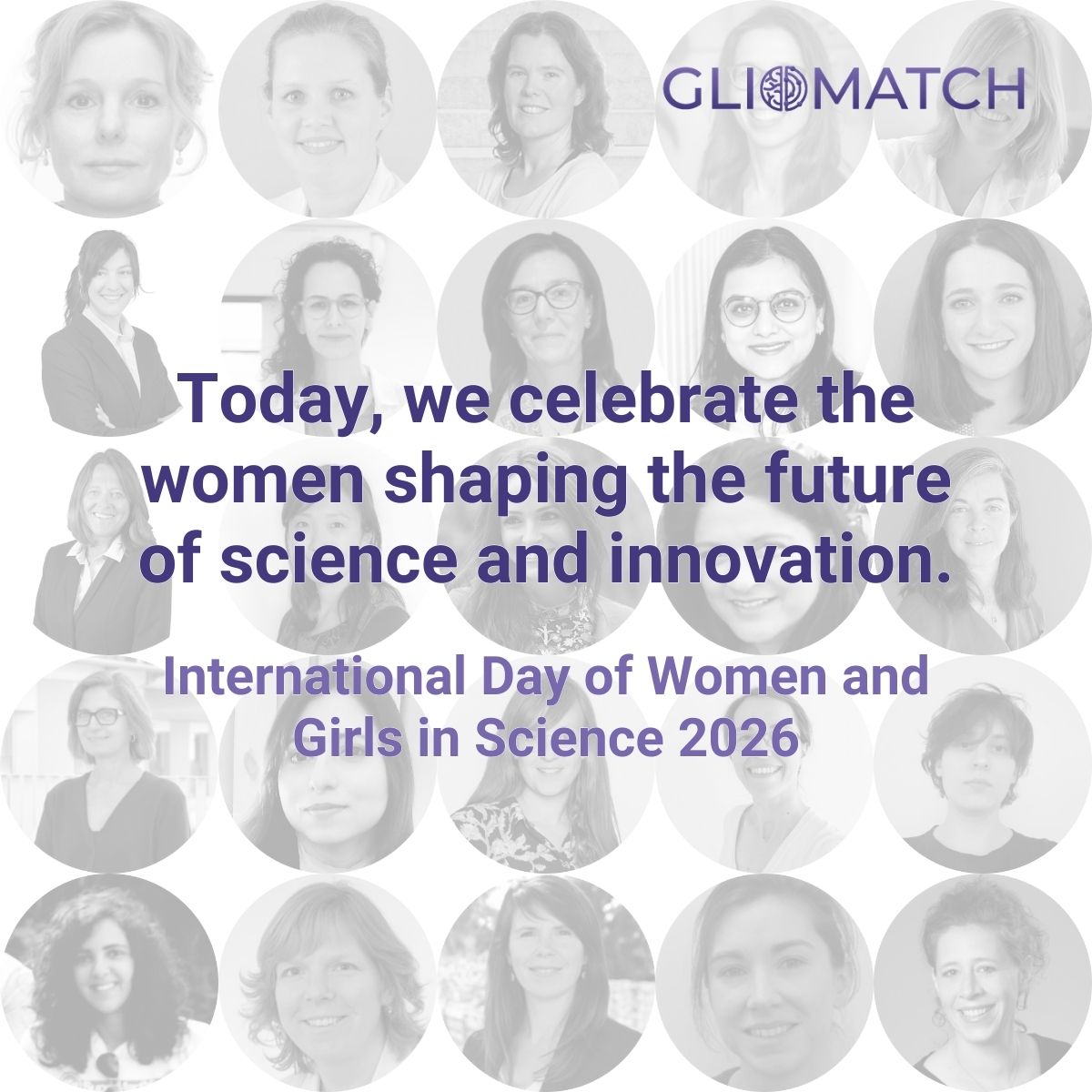
Celebrating Women Driving Innovation in GLIOMATCH

On the occasion of the International Day of Women and Girls in Science 2026, GLIOMATCH recognises the vital contribution of women researchers across its consortium. Their expertise and dedication are instrumental in advancing tailored immunotherapy approaches to improve clinical outcomes for adults and children with malignant brain tumours. As highlighted in the featured quote from one of the GLIOMATCH researchers, our drive to explore, learn and make things better is what unites us. 
Follow GLIOMATCH on LinkedIn and Facebook for more information on brain tumour research and updates on our milestones towards improving the clinical outcomes of GBM and pHGG.

More Posts

GLIOMATCH results contribute to new EIC-funded project GLIOBREAK

Results from GLIOMATCH are supporting the newly funded EIC Transition project GLIOBREAK, coordinated by Beactica Therapeutics and with the involvement of KU Leuven. The project will advance BEA-17, a first-in-class LSD1–CoREST degrader, towards clinical readiness, including IND-enabling studies and regulatory submission.

International Childhood Cancer Day 2026

On International Childhood Cancer Day, GLIOMATCH highlights the urgent need for research into paediatric high-grade gliomas (pHGGs), rare and aggressive brain tumours affecting children. With a median survival of just over one year and no curative treatment available, collaborative research efforts are essential to better understand the disease, develop dedicated models, and tailor therapies that improve outcomes and quality of life for young patients and their families.

World Cancer Day 2026

On World Cancer Day 2026, GLIOMATCH highlights the importance of placing patient perspectives at the heart of cancer research, particularly for glioblastoma, one of the most aggressive and difficult-to-treat brain tumours.