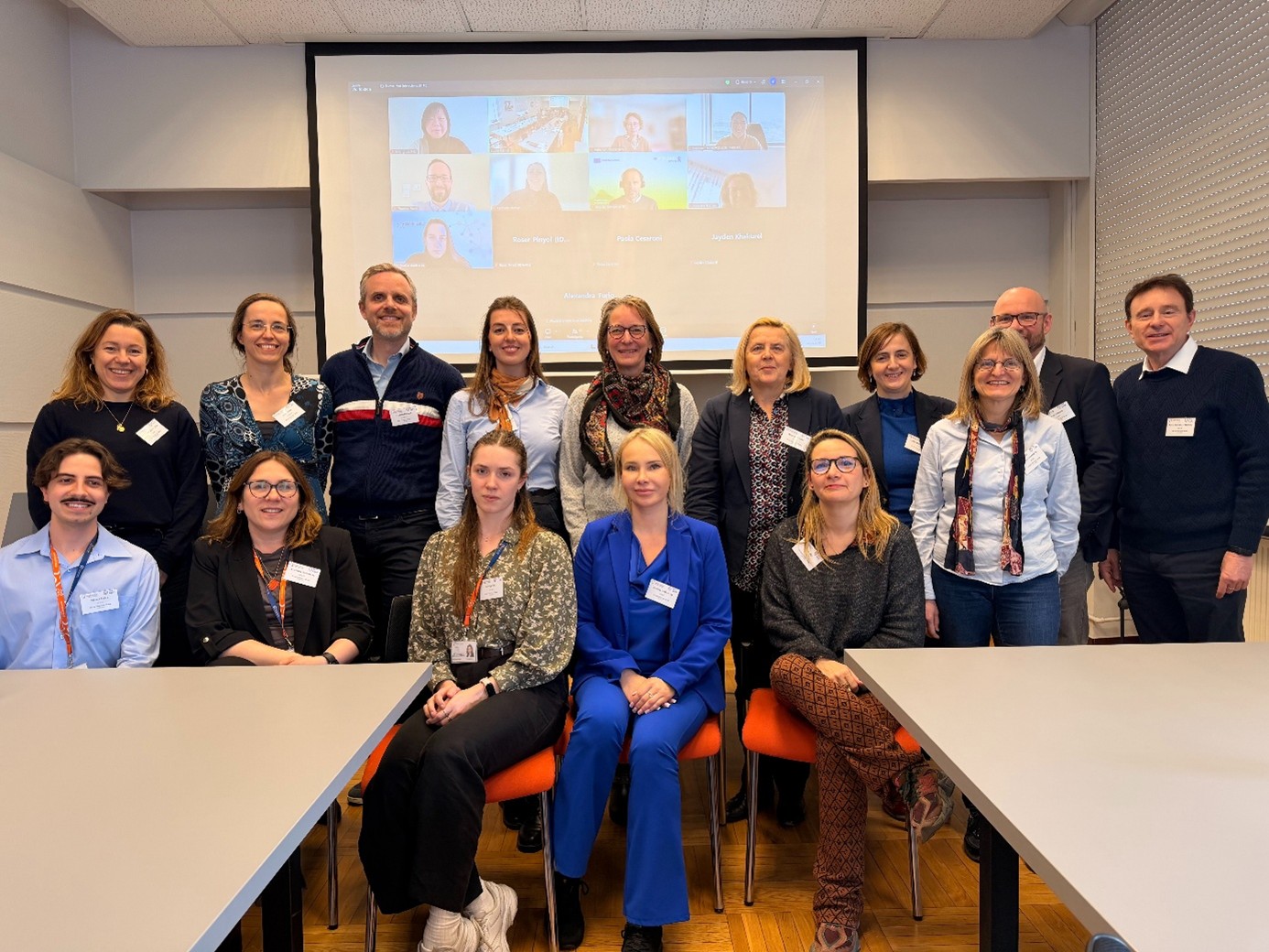
On 23 March 2026, partners from across the Understanding (tumour-host Interactions) Cluster (U-THI-Clust) gathered in Warsaw, Poland, for the second annual cluster meeting, hosted by HIT-GLIO at the Nencki Institute of Experimental Biology, Polish Academy of Sciences. Organised in a hybrid format, the meeting brought together representatives of the six cluster projects, namely SPACETIME, THRIVE, MULTIR, GLIOMATCH, ARTURO and HIT-GLIO, alongside the Project Officer from HaDEA, and representatives of the UNCAN-Connect and CANDLE projects.
Scientific exchange across the cluster
The first part of the meeting focused on the scientific progress achieved by each consortium. Although the cluster projects address different tumour types and dimensions of tumour-host interactions, they share several strategic objectives, including improved coordination in data sharing, data management, and the exploration of potential pan-cancer markers linked to the tumour microenvironment and tumour-host interactions.
During this session, GLIOMATCH presented its progress alongside the other cluster projects, contributing to a broader exchange on the diversity of datasets, approaches and emerging results being developed across the cluster. This discussion highlighted the value of closer alignment between projects working at the intersection of cancer biology, translational research and clinical relevance.
The annual meeting served as a key opportunity to review scientific progress across the cluster, strengthen collaboration between projects, and advance joint work in areas such as data management, communication, research coordination, inequalities, and citizen and patient engagement.
GLIOMATCH leads the data management and sharing working group
A central contribution from GLIOMATCH during the meeting was its leadership of the Data Management and Sharing working group. The session was led by project coordinator Frederik de Smet and Julie Morscio from KUL, who presented the results of a questionnaire prepared by the project to map current practices and needs related to data management across the cluster.
As strand lead, GLIOMATCH also invited representatives from UNCAN-Connect and CANDLE to join the session online and share perspectives on collaboration with the wider European cancer data ecosystem. Discussions focused on the visibility, interoperability and accessibility of cancer data resources in Europe, as well as practical questions related to data deposition, common formats, infrastructure capacity and long-term sustainability.
The exchange clarified that cluster projects are encouraged to interact with the UNCAN platform where relevant, but are not obliged to deposit their data there. Participants agreed on the importance of continuing discussions with national UNCAN representatives and exploring the most suitable ways to ensure that project data can become more visible, useful and accessible across Europe.
This strand remains highly relevant for GLIOMATCH, as robust and interoperable data management is essential to the project’s scientific and translational objectives.
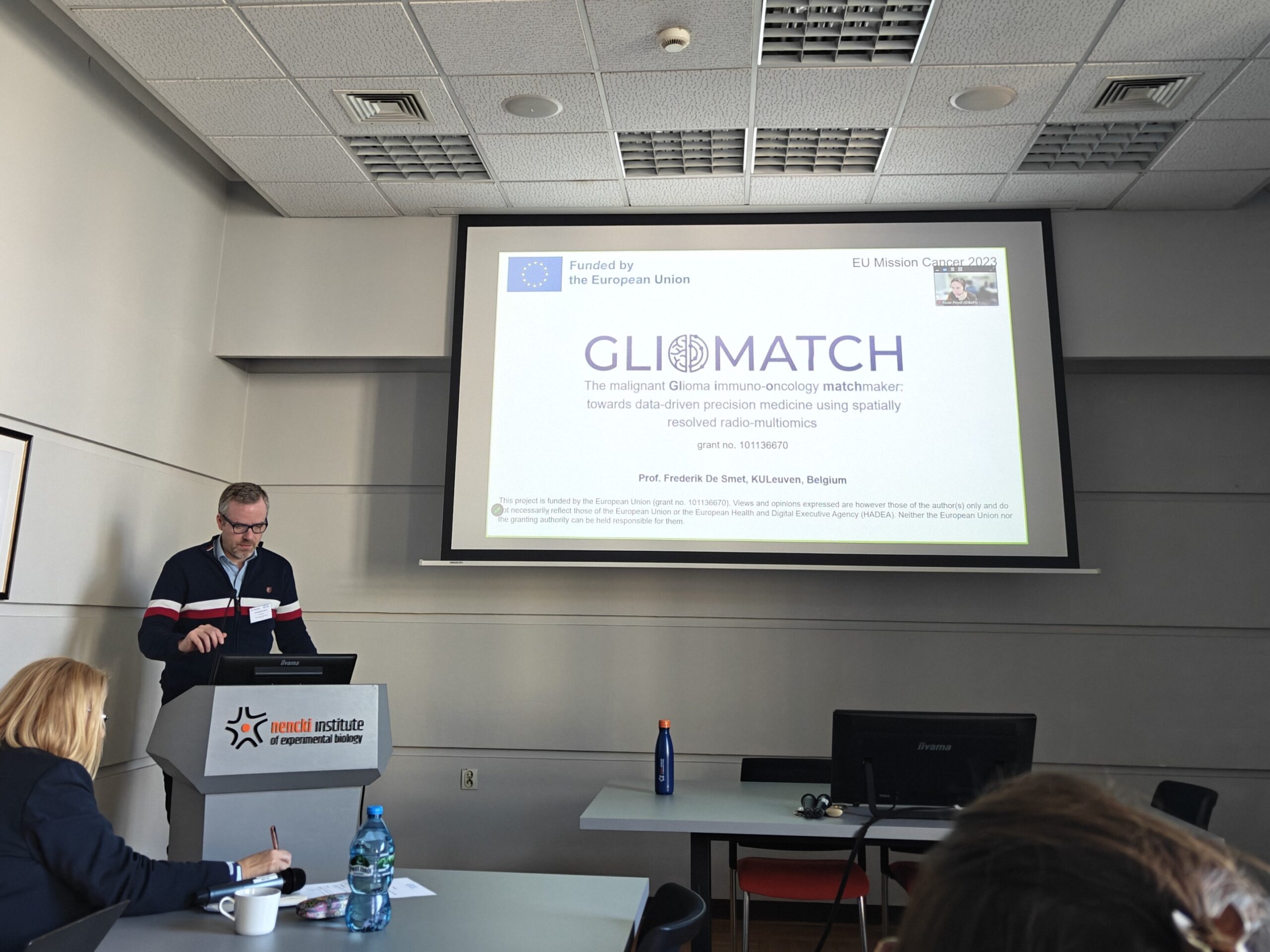
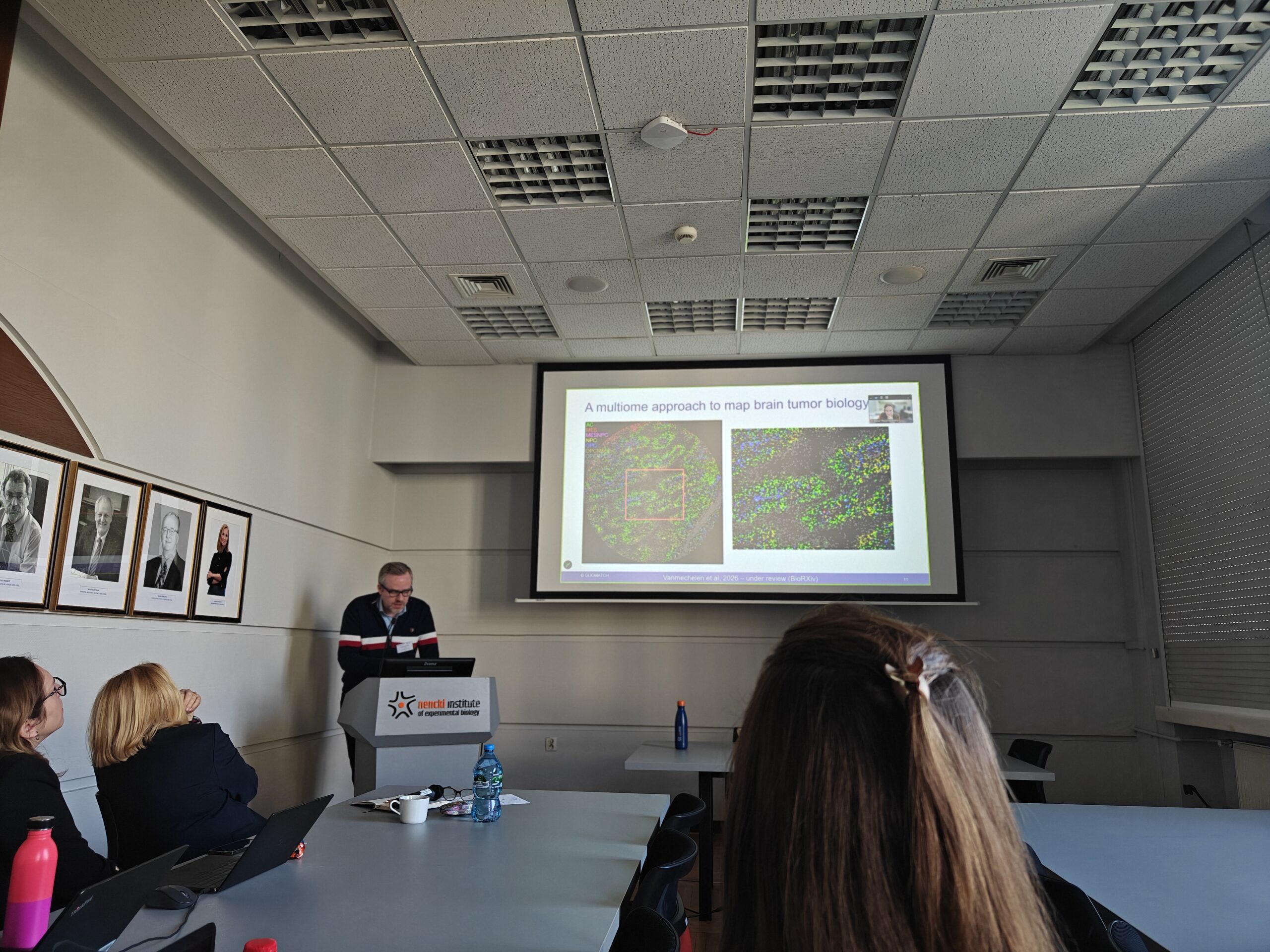
Snapshots from the GLIOMATCH presentation on data management.
Advancing joint cluster priorities
Beyond data management, the meeting reviewed progress across the other U-THI-Cluster working groups. These included Communication and Dissemination, Research and Innovation, Addressing Inequalities, and Citizen and Patient Engagement.
The cluster also took stock of its common outputs to date. Four joint deliverables have already been successfully submitted, including the cluster’s common scientific collaboration deliverable, a common video and brochure, and reports from the first annual meeting and policy recommendations. Two further deliverables are now in preparation: the second annual report on the cluster meeting and the second policy brief based on the meeting discussions.
Communication activities were highlighted as an area of strong progress, with synchronised social media actions already carried out across the cluster projects. Plans for a bi-yearly newsletter and a joint workshop in autumn 2026 were also discussed. In parallel, the strand on inequalities underlined the need to address persistent disparities in research, access to care, advanced therapies and precision medicine, especially for underserved populations and marginalised cancer types.
A shared commitment to collaboration
The annual meeting confirmed the strong commitment of all cluster members to continue building synergies across projects and translating research into broader scientific, societal and policy impact. The discussions also reinforced the importance of engaging not only researchers and clinicians, but also policymakers, patient organisations, regulatory actors and citizens.
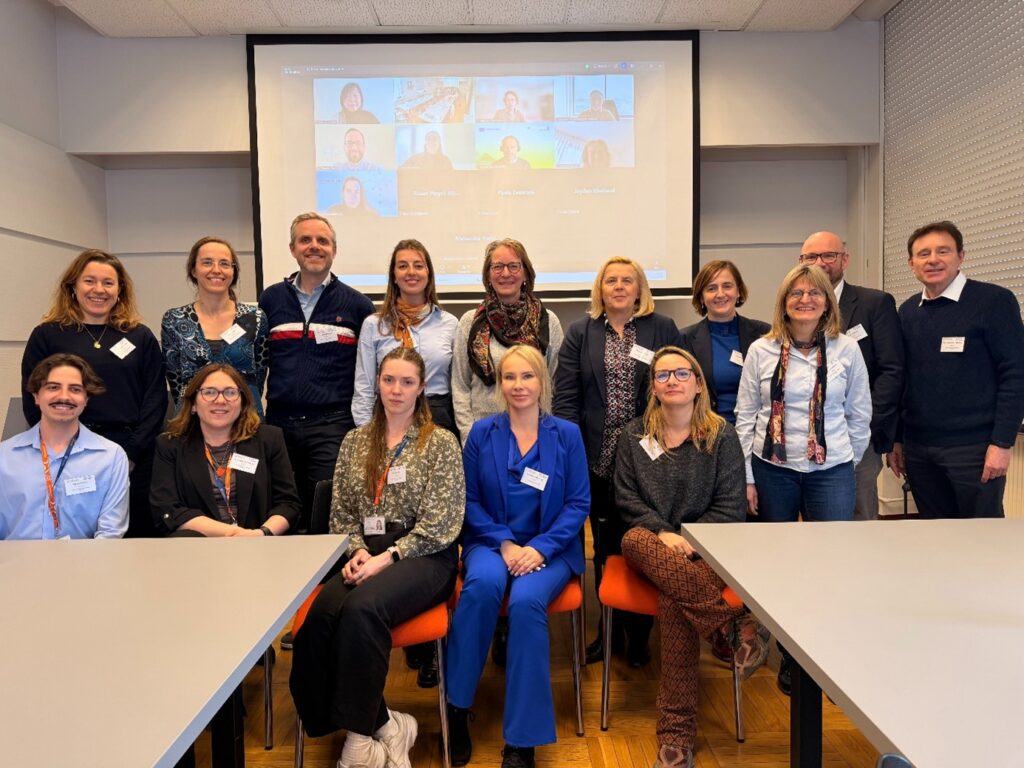
Group photo from the event