Abbreviations

Abbreviations

GMB

Adult glioblastoma

pHGG

Paediatric high-grade glioma

UNCAN

EU initiative for understanding cancer

MRI

Magnetic resonance imaging 

SOC

Standard of care

I/O

Immuno-oncology

TTF

Tumour treating fields

GLIOMATCH selected for Horizon Europe funding

The GLIOMATCH project aimed at advancing precision medicine for brain cancer patients has received a total funding of €12.59 million from the EU, Switzerland, and the UK.

GLIOMATCH is now a Horizon Europe funded Research and Innovation Action. The project is aimed at improving the outcome of malignant brain tumours in adults and children, as well as better understanding immunotherapy for brain cancer treatment.

By investigating solutions to alleviate the societal impacts of brain cancer, the project aligns with the objectives of the EU Cancer Mission and contributes to the United Nations’ Sustainable Development Goals 2 and 4.

It is a five year project starting in January 2024 and aligning 14 pan-European partners from 10 different member states.
More Posts

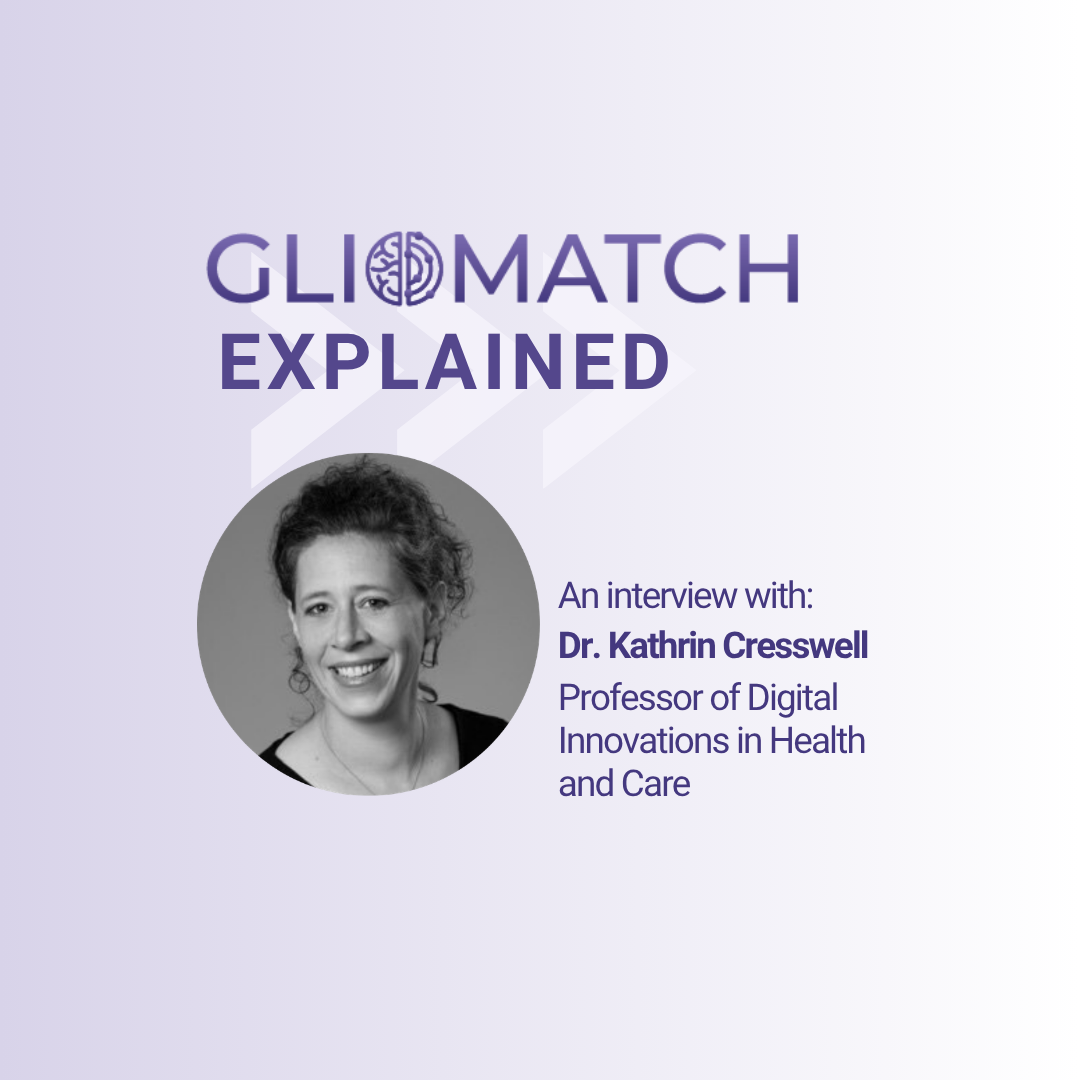
GLIOMATCH: Explained with Dr. Kathrin Cresswell

In this episode of the GLIOMATCH: Explained video series, Dr. Kathrin Cresswell, Professor of Digital Innovations in Health and Care at the University of Edinburgh, explains how GLIOMATCH is working to ensure the successful use and implementation of its novel data platform. We’ve summarised the interview in this news piece.

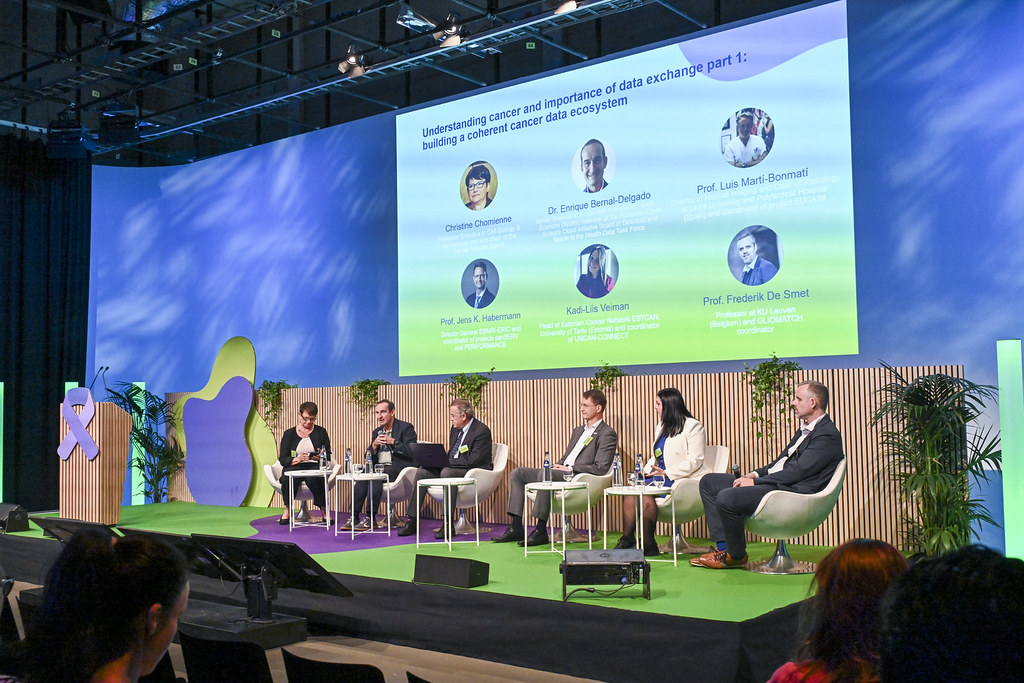
GLIOMATCH shares its work at the EU Cancer Mission Showcase in Brussels

On World Brain Tumour Day 2026, GLIOMATCH participated in the European event “Advancing Brain Cancer Research: From policy action to scientific breakthroughs” at the European Parliament in Strasbourg. The event highlighted the urgent need to accelerate brain cancer research, strengthen European collaboration and turn scientific progress into improved care for patients.

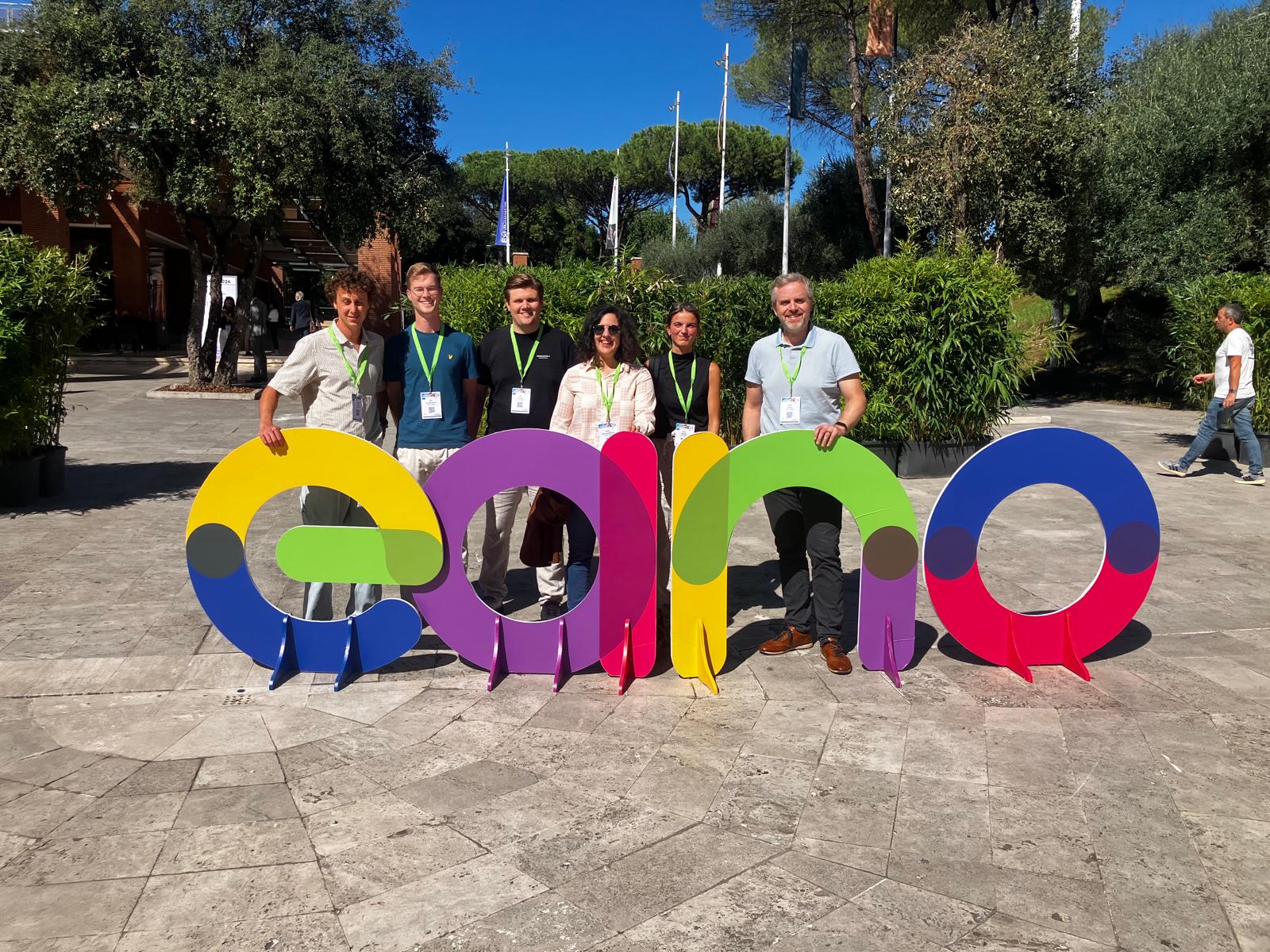
Highlights from partner talks at EANO 2026

The KU Leuven team attended EANO 2026 in Rome and Chiara Caprioli and Frederik De Smet presented glioblastoma research and a patient-derived brain tumour model. Discover highlights from the conference.