On 31 January 2025, partners from across the Understanding (tumour-host Interactions) Cluster (U-THI-Clust) gathered in Barcelona, Spain, for the first annual cluster meeting, organised by the THRIVE project at the Centre Esther Koplowitz (IDIBAPS). The meeting brought together representatives from the six cluster projects, namely ARTURO, GLIOMATCH, HIT-GLIO, MULTIR, SPACETIME and THRIVE, alongside the Project Officer from HaDEA.
Launching collaboration across the cluster
The meeting marked the starting point for structured collaboration within the U-THI-Clust under the EU Cancer Mission. Discussions focused on strengthening joint work across projects addressing tumour-host interactions, with emphasis on improving understanding of cancer development and fostering coordinated research efforts.
Each project presented its objectives and approach, highlighting complementary expertise ranging from spatial tumour analysis and immunotherapy to microbiota research and multi-omics integration. This exchange confirmed strong potential for synergies across tumour types and methodologies.
Establishing working groups and priorities
A central outcome of the meeting was to align on and coordinate joint activities, deliverables and strategic alignment across the different working groups of the cluster, which include:
- Data Management and Sharing (led by GLIOMATCH)
- Communication and Dissemination (led by MULTIR)
- Research and Innovation (led by SPACETIME)
- Addressing Inequalities (led by ARTURO and GLIOMATCH)
- Citizen and Patient Engagement (led by HIT-GLIO)
- Annual Meetings and Events (led by THRIVE in year one)
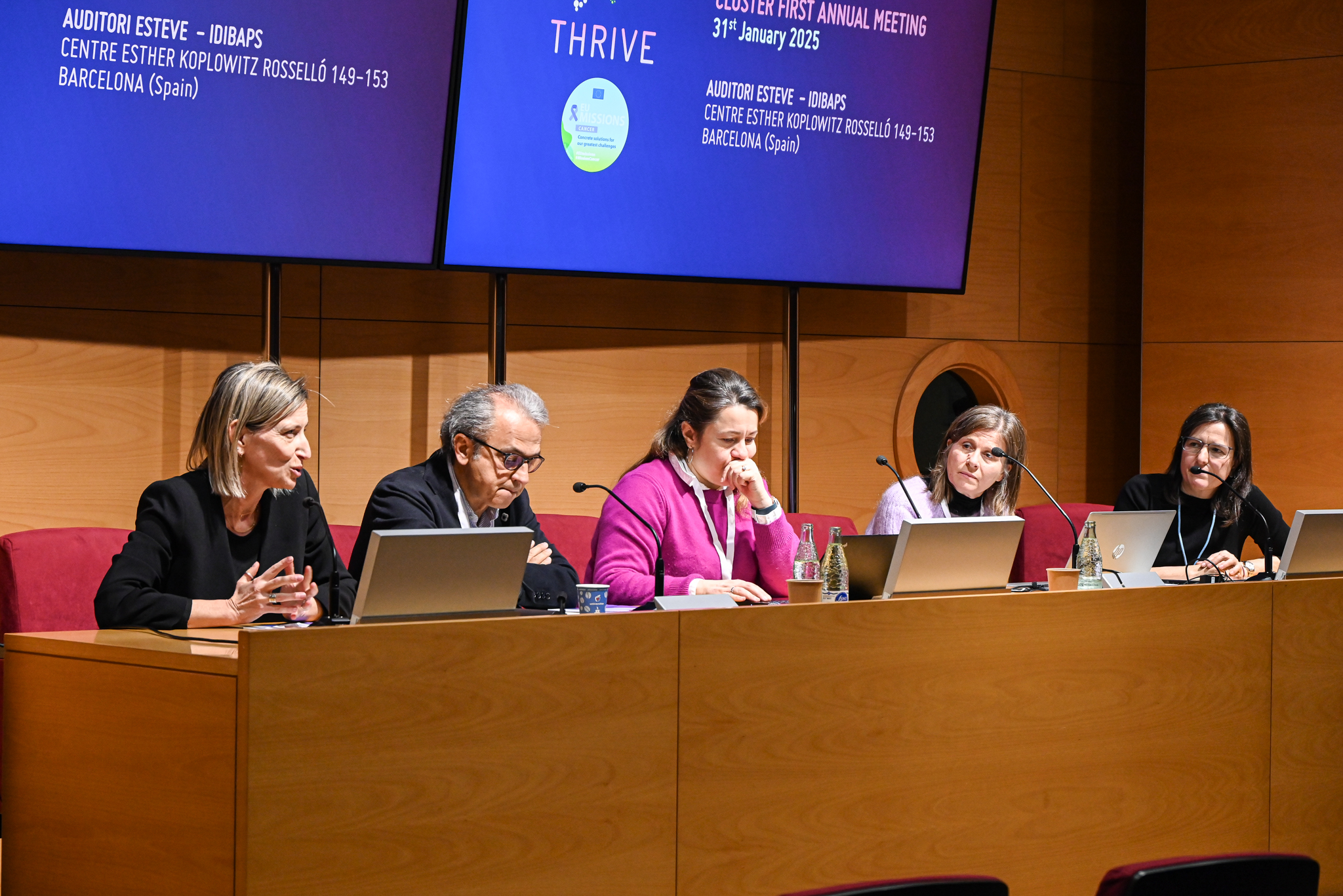
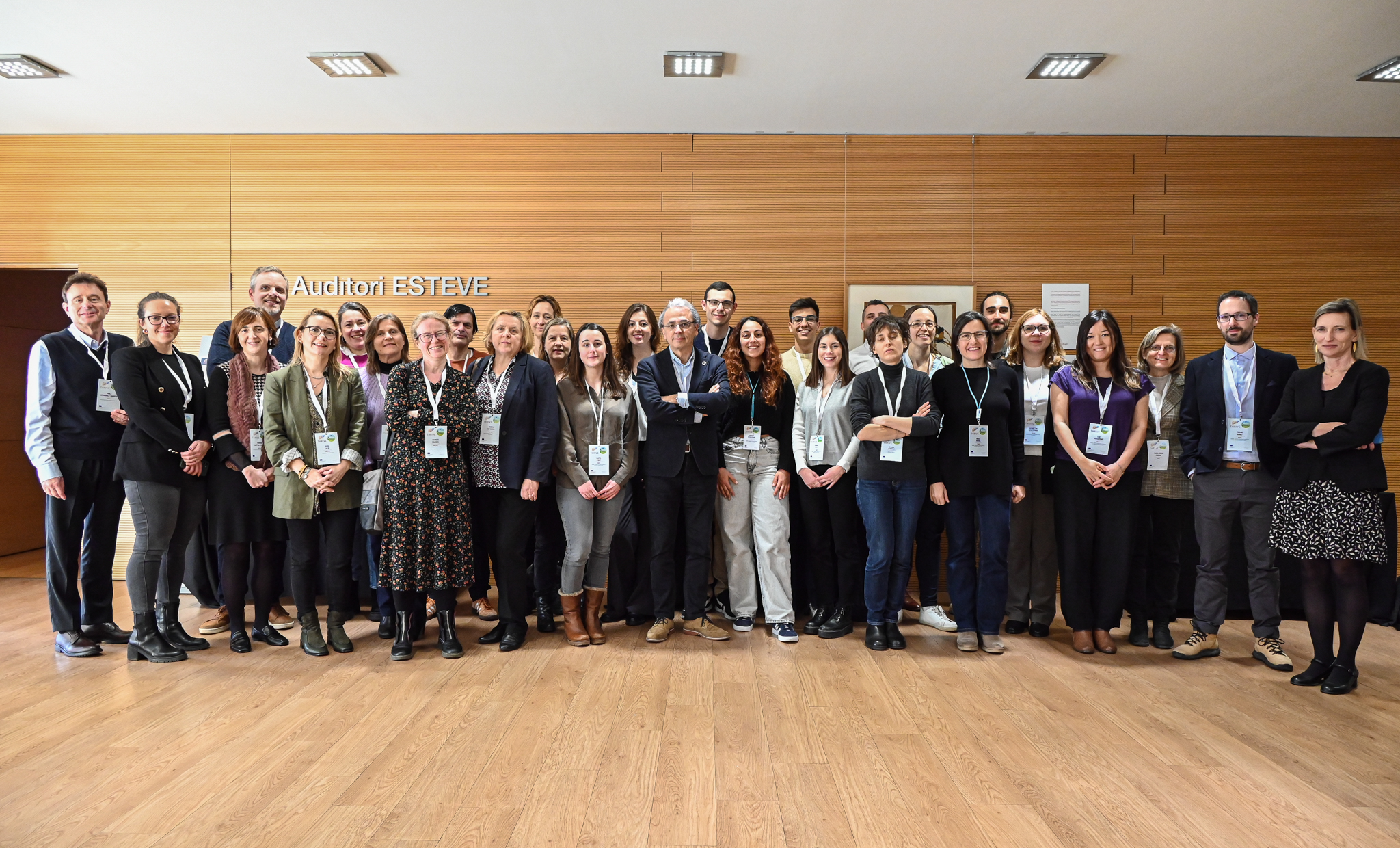
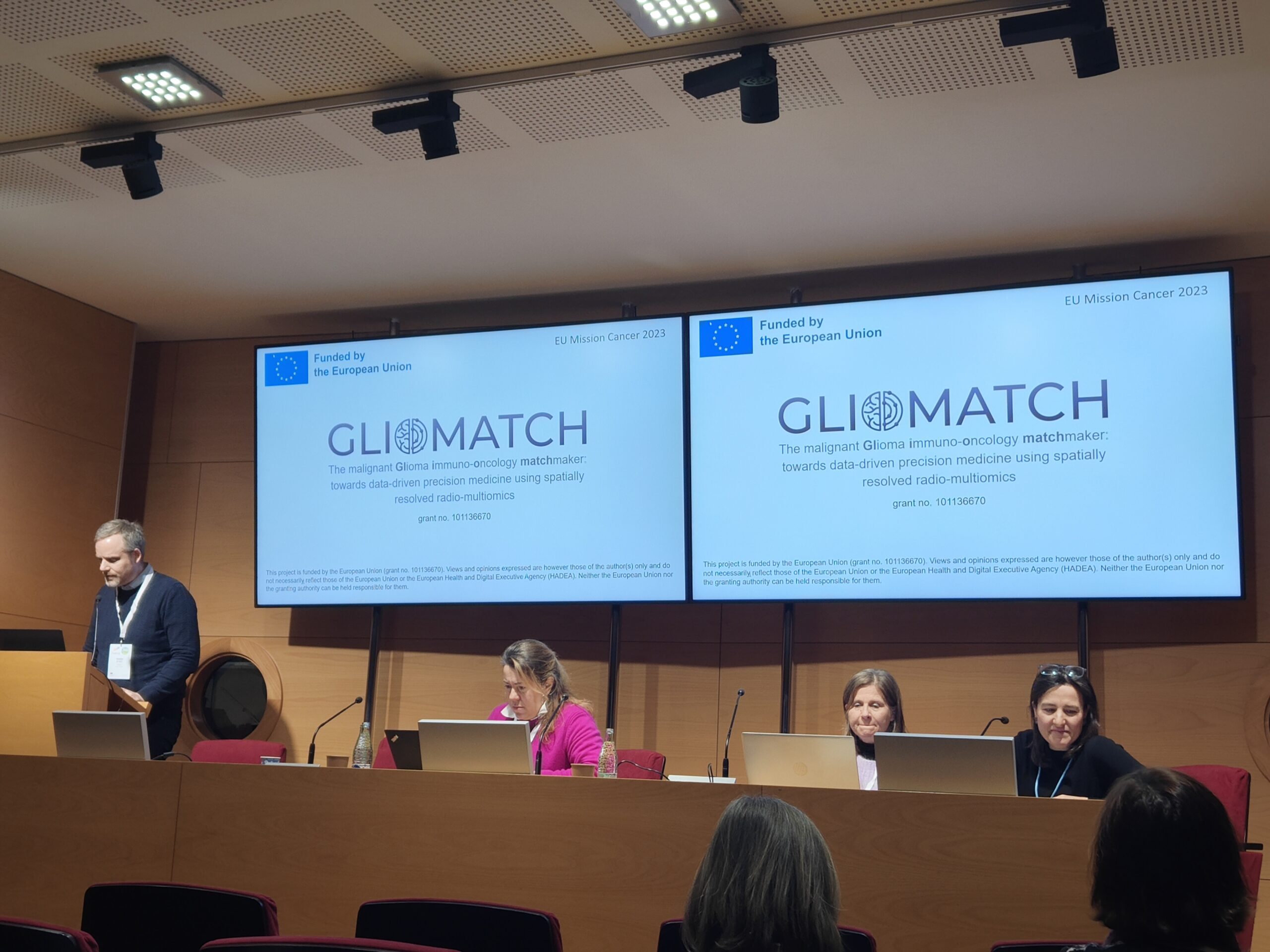
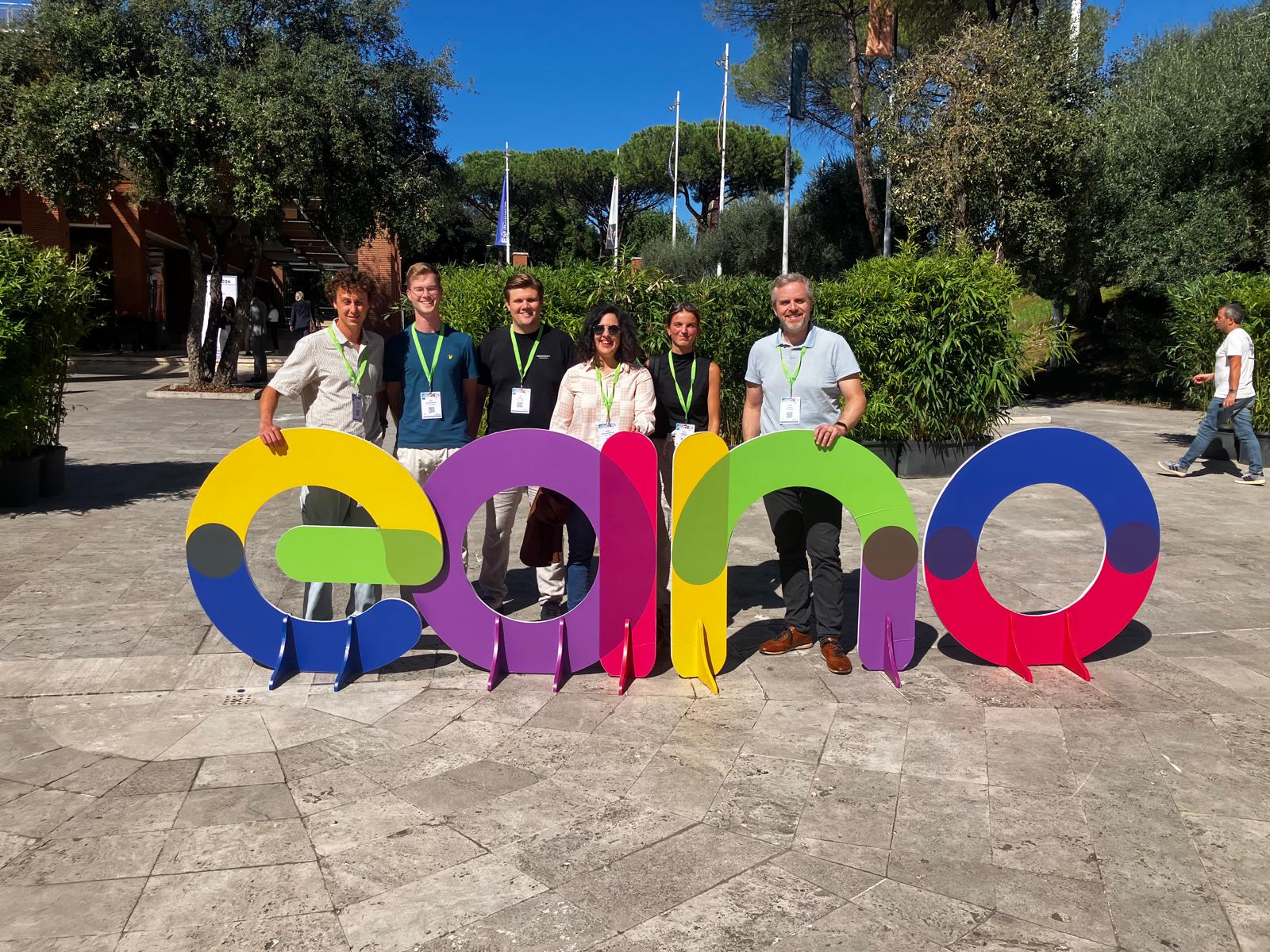
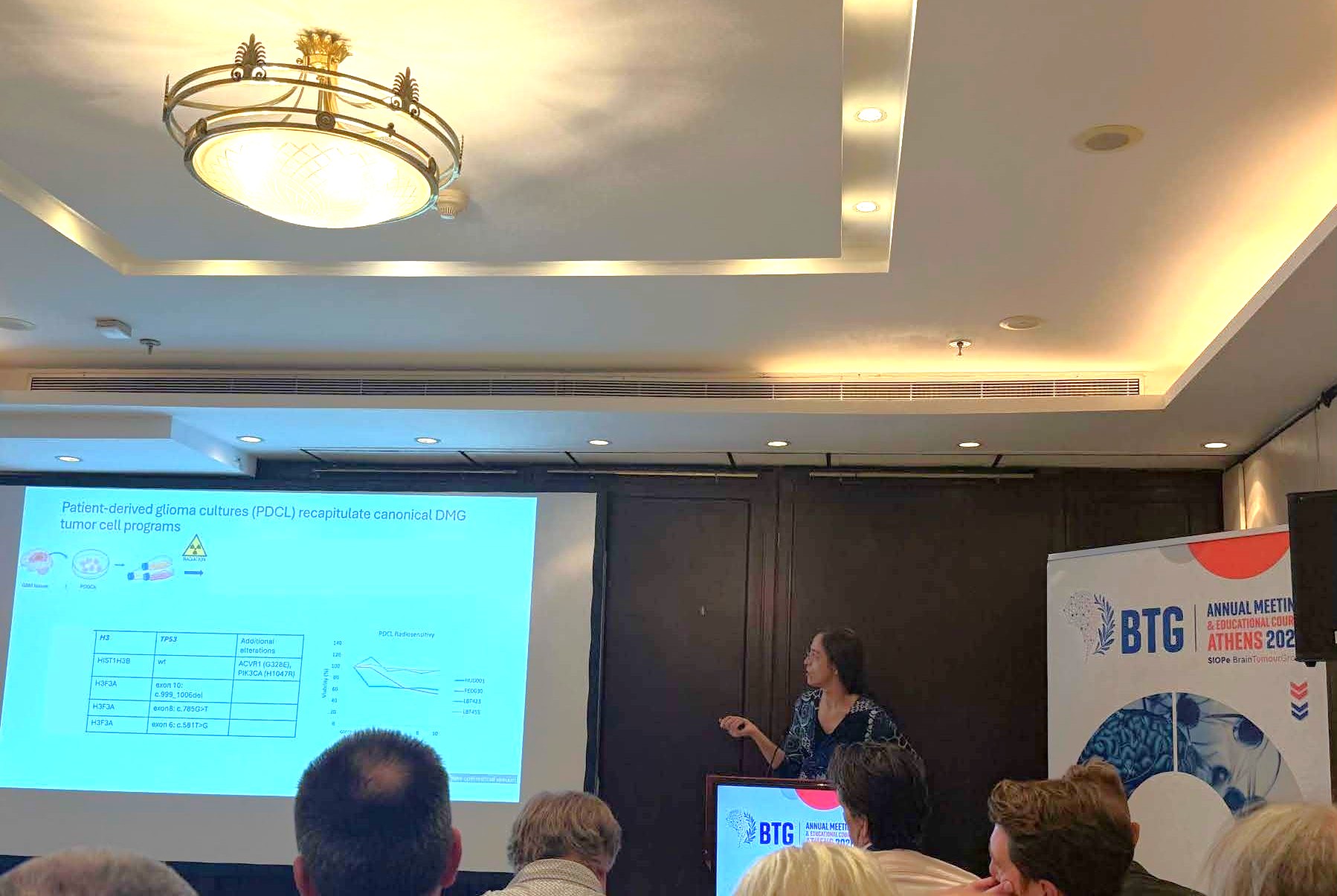
Snapshots from meeting organised by the THRIVE project
Key discussions and first conclusions
Across the different sessions, several common priorities and challenges were identified:
- The need to harmonise data management practices and contribute to a common Data Management Plan chapter
- Challenges related to GDPR, data sharing and material transfer agreements in multi-partner research
- The importance of coordinated communication actions and shared dissemination materials
- The need to address inequalities in access to research and healthcare outcomes
- Strengthening citizen and patient engagement across projects
The meeting also emphasised the role of the UNCAN platform in supporting data sharing and collaboration at European level, alongside the expectation to develop policy recommendations based on cluster findings.
Building the foundation for future collaboration
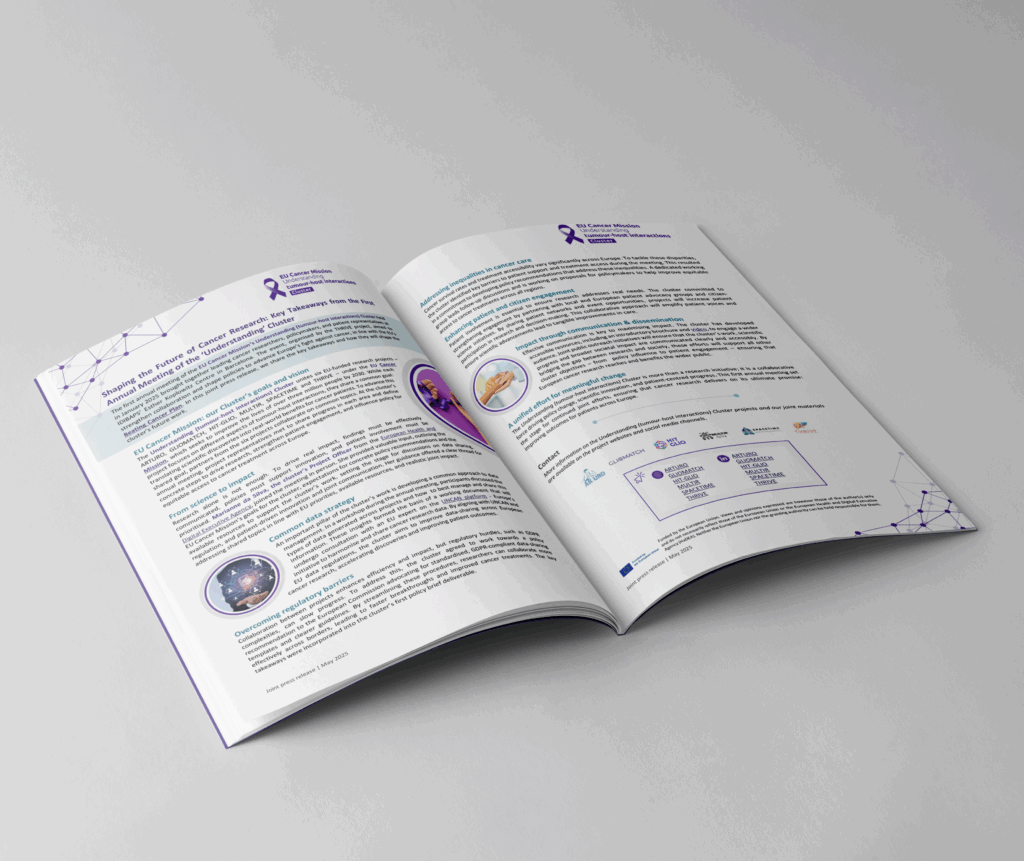
The first annual meeting established the operational framework for the U-THI-Clust and confirmed the commitment of all partners to work collaboratively towards the objectives of the EU Cancer Mission. It also set the basis for future joint deliverables, policy inputs and coordinated research activities. A full recap of the meeting is available in the 1st ‘Understanding (tumour-host) interactions’ Cluster press release published in May 2025.