Abbreviations

Abbreviations

GMB

Adult glioblastoma

pHGG

Paediatric high-grade glioma

UNCAN

EU initiative for understanding cancer

MRI

Magnetic resonance imaging 

SOC

Standard of care

I/O

Immuno-oncology

TTF

Tumour treating fields

GLIOMATCH: Explained with Prof. Dr. Sandra Jacobs

In this third episode of the GLIOMATCH: Explained video series, Prof. Dr. Sandra Jacobs, paediatric hemato-oncologist at University Hospital Leuven, explains which clinical centres are involved in the paediatric clinical study, what challenges the team faces, how clinical data is collected, and what the main goals of the paediatric study are. We’ve summarised the interview in this news piece.

Which clinical centres are involved in the paediatric clinical study?

For the paediatric part of GLIOMATCH, University Hospital Leuven works together with Uppsala University in Sweden and the cancer research centre Sant Joan de Déu, located in Barcelona, Spain (see also clinical trials page).

Together, these centres contribute expertise and patient material for the paediatric clinical study, which focuses on paediatric high-grade gliomas.

What challenges do you face as part of the paediatric clinical study?

For the paediatric part of GLIOMATCH, the team will mainly focus on the retrospective study. This means that the researchers will look at old archived samples from paediatric high-grade glioma patients.

Prof. Dr. Sandra Jacobs explains that paediatric high-grade gliomas are often located in the brain stem. One of the major challenges is that the available biopsies are usually very small. This makes it difficult to obtain good quality material for the spatial omics analyses planned in the project.

How is clinical data collected?

Clinical data will be collected from patient files in the three participating centres. The teams will identify and collect the clinical data needed for the study and correlate this information with the tissue available from the patients.

This combination of clinical information and tissue analysis is central to understanding paediatric high-grade gliomas in more detail and linking patient data with the spatial omics results generated in the project.

What are the main goals of the paediatric clinical trial?

The main goal of the paediatric clinical study is to obtain more knowledge about spatial omics in paediatric high-grade glioma. This information is expected to help guide the development of new treatments for these patients.

By studying archived samples and linking them with clinical data, the GLIOMATCH team aims to better understand the biology of paediatric high-grade gliomas and support future research into improved therapeutic approaches.

“We hope to achieve to obtain more knowledge about spatial omics in pediatric high-grade glioma and that this information will guide us to further develop new treatments for these patients.”
Watch the video episode and discover the full GLIOMATCH: Explained series on our video page.

Follow GLIOMATCH on LinkedIn and Facebook for more information on brain tumour research and updates on our milestones towards improving the clinical outcomes of GBM and pHGG.

More Posts

GLIOMATCH marks World Brain Tumour Day at EU event on advancing brain cancer research

On World Brain Tumour Day 2026, GLIOMATCH participated in the European event “Advancing Brain Cancer Research: From policy action to scientific breakthroughs” at the European Parliament in Strasbourg. The event highlighted the urgent need to accelerate brain cancer research, strengthen European collaboration and turn scientific progress into improved care for patients.

GLIOMATCH: Explained with Prof. Dr. Steven De Vleeschouwer

In this GLIOMATCH: Explained episode, Prof. Dr. Steven De Vleeschouwer introduces the prospective clinical trials, the participating centres and the immunotherapy strategies being investigated to better understand patient response in brain tumours.

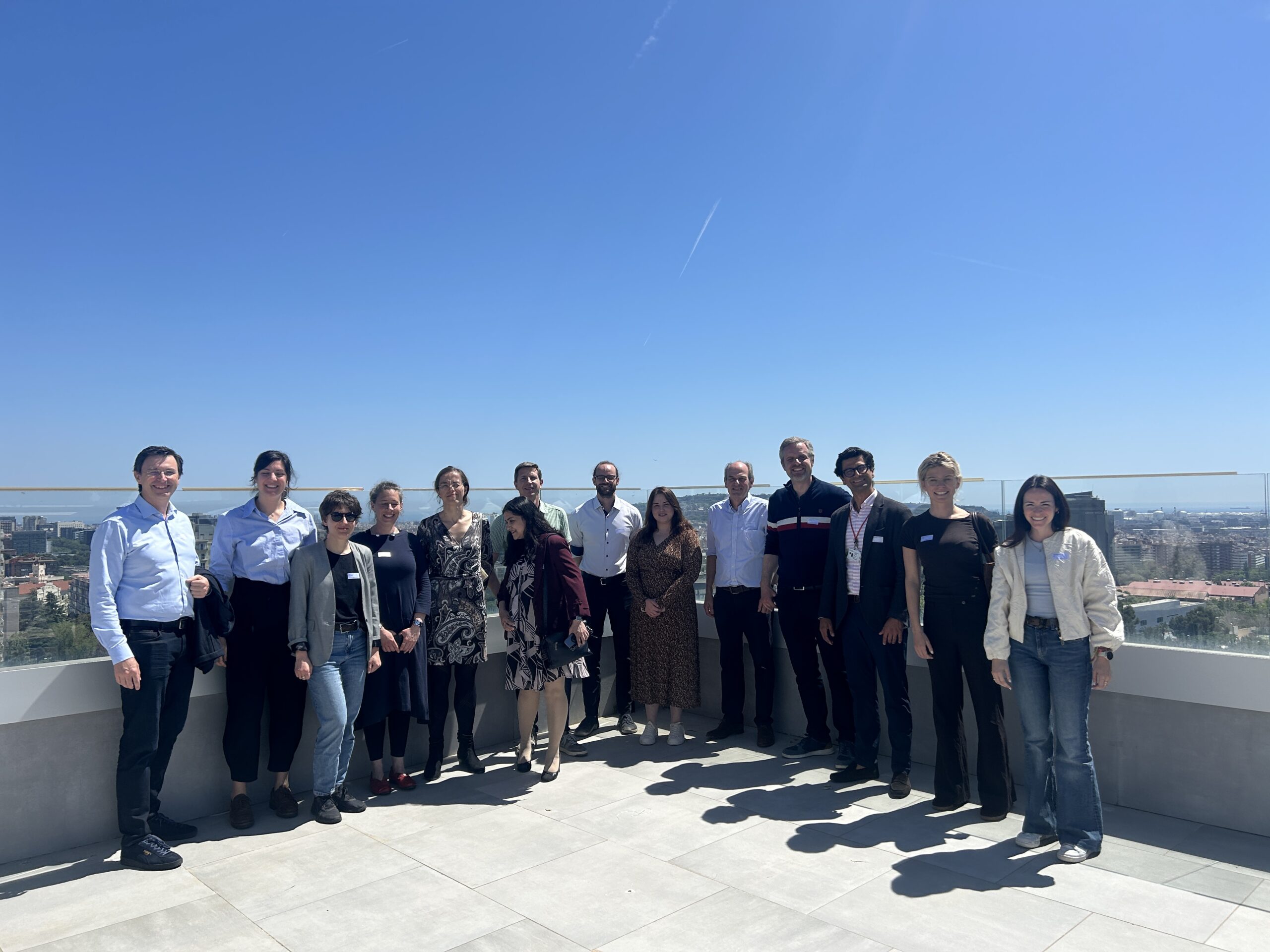
GLIOMATCH 5th consortium meeting takes place in Barcelona

On 28–29 April 2026, the GLIOMATCH consortium gathered in Barcelona, Spain, for its fifth consortium meeting, hosted by project partner Sant Joan de Déu Barcelona Children’s Hospital and the Fundació de Recerca Sant Joan de Déu (FSJD).