Category: Uncategorised

  • GLIOMATCH 3rd consortium meeting takes place in Düsseldorf, Germany

    GLIOMATCH 3rd consortium meeting takes place in Düsseldorf, Germany

    From 25 to 27 March 2025, the GLIOMATCH consortium convened in Düsseldorf, Germany, for its third consortium meeting. The meeting was held in-person and hosted by the partner University of Düsseldorf (UDUS). Over 40 experts from across Europe gathered to assess progress of the past year and plan the next phase of the GLIOMATCH project.

    Welcoming atmosphere and collaborative spirit

    The three-day event kicked off with a welcome dinner, offering participants the chance to reconnect ahead of two intensive days of scientific exchange. The official meetings were held at the Haus der Universität in central Düsseldorf and covered a wide range of topics spanning clinical, technical, legal, and ethical dimensions of the project.

    GLIOMATCH, a Horizon Europe project, aims to improve brain cancer treatment by harnessing immunotherapy and state-of-the-art technology, as described on our project page. One year after the project kick-off meeting in Leuven, Belgium, the team of experts met again to review progress, tackle challenges, and stay on track to reach its ambitious goals.

    Haus der Universtität, Düsseldorf (meeting venue)

    Clinical and ethical insights on Day 1

    On Day 1, discussions on progress of the eight work packages kicked off. The first day was centred on the retrospective and prospective clinical trials (WP2 & WP5), including dedicated MRI and surgical working group sessions. Partners also explored the broader social and health-economic impacts of the project (WP6) and examined the ethical and legal roadmap for the GLIOMATCH clinical trials and data governance (WP1). A literature workshop rounded off the day before partners reconvened for a consortium dinner.

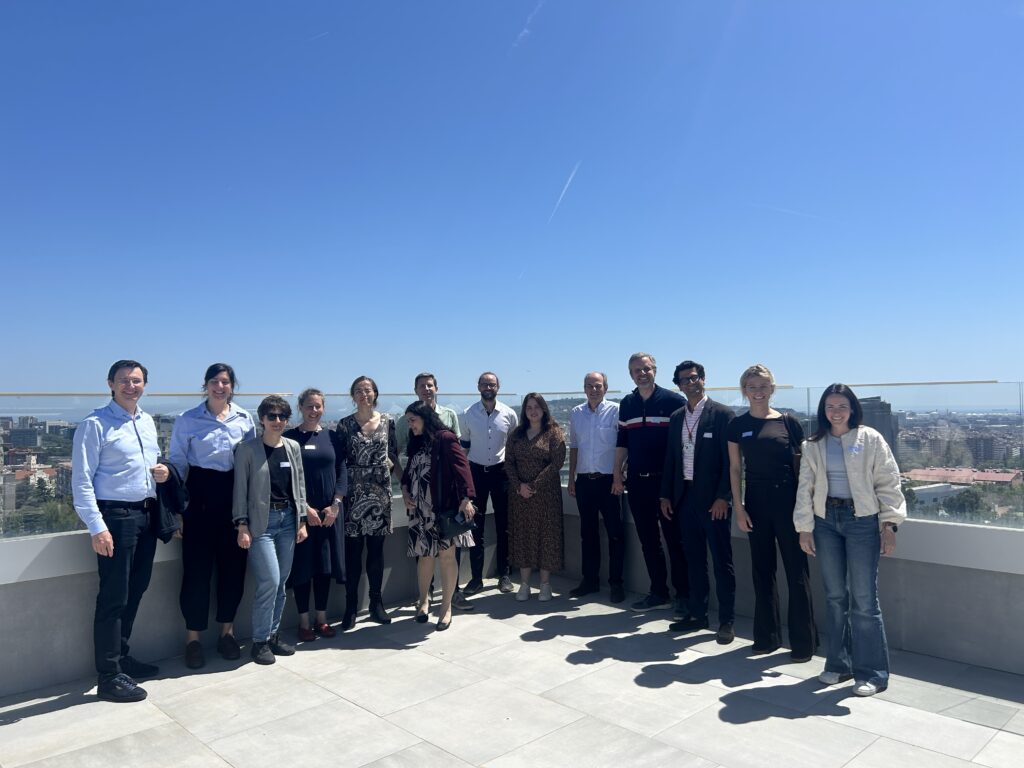
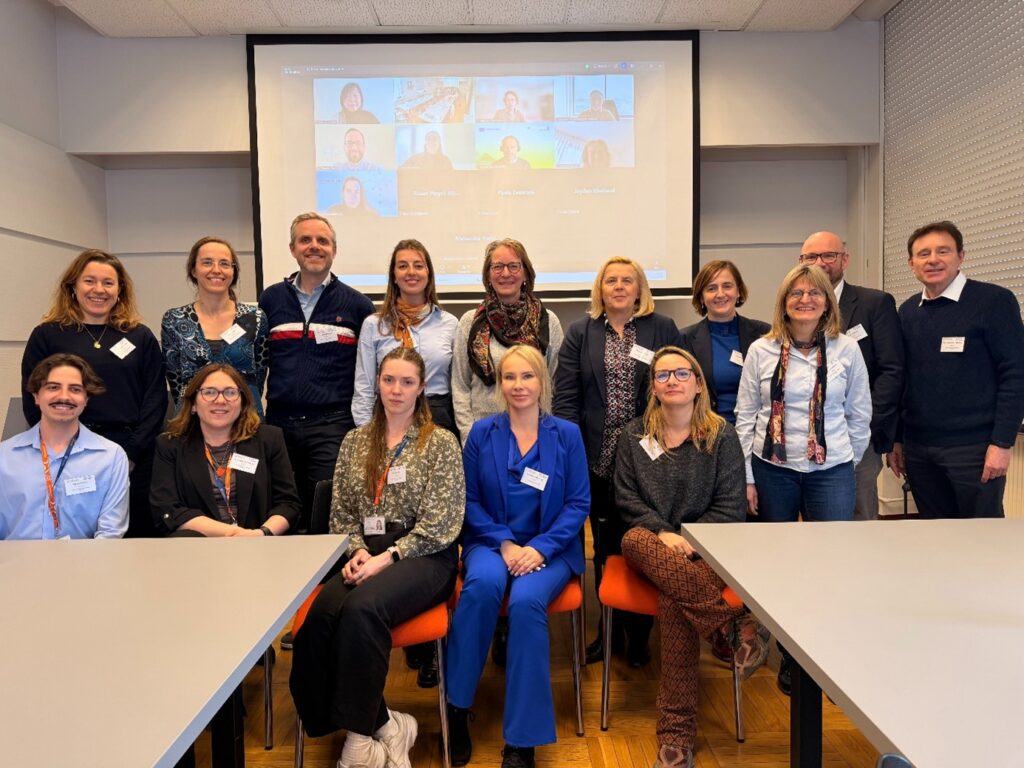
    Snapshots from the meeting sessions and social activities

    Progress review and planning on Day 2

    Day 2 focused on the project’s technical and translational work, with in-depth sessions on mapping the tumour-host/immune micro-environment in glioblastoma (WP3/4). The consortium also reviewed ongoing developments around GLIOMATCH’s secure data platform and its data infrastructure, and outlined outreach and dissemination plans for 2025. A session dedicated to identifying and addressing inequalities in research (WP7) highlighted the project’s commitment to inclusive and responsible research practices. For more information on the GLIOMATCH work plan, visit our dedicated page.

    Looking ahead

    The meeting was a valuable opportunity for experts to discuss GLIOMATCH’s cross-disciplinary progress and to fine-tune the path forward in support of personalised immunotherapy for GBM and pHGG patients.

    We extend our sincere thanks to the local hosts, Rüdiger Sorg and Angeliki Datsi (UDUS), for their warm hospitality and smooth organisation.

    Organising team: Rüdiger Sorg (left) and Angeliki Datsi (right).

    Follow GLIOMATCH on LinkedIn and Facebook for more information on brain tumour research and updates on our milestones towards improving the clinical outcomes of GBM and pHGG.

    For more pictures from our events, visit our photo gallery.

  • International Day of Women and Girls in Science 2025

    International Day of Women and Girls in Science 2025

    On the 10th anniversary of the International Day of Women and Girls in Science, GLIOMATCH celebrates the women driving our research and our commitment to gender balance in science and leadership.

    Advancing Women in Science: Charting Progress to Shape the Future

    On 11 February 2025, the International Day of Women and Girls in Science marks its 10th anniversary under the theme “Charting Progress to Shape the Future”. This milestone serves as a reminder of the critical contributions of women in research and the need for continued efforts toward inclusivity in STEM. While progress has been made, gender disparities persist, particularly in leadership roles and research participation. Initiatives worldwide aim to address these gaps and support the next generation of female scientists. More on these efforts can be found here.

    GLIOMATCH: A Commitment to Gender Balance

    At GLIOMATCH, we know that diverse teams drive better science. We are committed to ensuring that our studies accurately reflect gender differences, so our research findings are as robust and meaningful as possible. By accounting for the higher incidence of glioblastoma (GBM) in men, we make sure our data analysis and predictions lead to better outcomes for all patients, regardless of gender, socio-economic status, or ethnic background.

    The female faces behind GLIOMATCH

    Gender balance in our teams is just as important as in our research. We are proud to have strong female leadership in our consortium, including Prof. Sandra Jacobs (KUL-UZL), Prof. Rachel Grossman (RMC), Dr. Marica Eoli (FINCB), Dr. Géraldine Giraud (UU), Dr. Kathrin Creswell (UEDIN), Dr. Jeanette Müller (accelCH), and Ms. Antonella Cardone (CPE).

    Today, we especially want to thank and celebrate all the brilliant women who contribute to GLIOMATCH—from team leaders to researchers and all those driving our work forward. Their expertise is essential in advancing glioblastoma research and improving clinical outcomes for adults and children through tailored immunotherapy treatments.

    What Inspires our Researchers?

    On this occasion, we asked two female researchers within GLIOMATCH to share one of their favourite quotes about science that has inspired them on their journey.

    Dr. Julie Morscio  (KUL-LISCO)

    “Science is not a boy’s game, it’s not a girl’s game. It’s everyone’s game. It’s about where we are and where we’re going.”  

    Nichelle Nichols

    “Science is not about control. It is about cultivating a perpetual condition of wonder in the face of something that forever grows one step richer and subtler than our latest theory about it. It is about reverence, not mastery.”

    – Richard Powers

    Dr. Chiara Caprioli  (KUL-LISCO)

    Meet the teams and talented women behind GLIOMATCH on our consortium page.

    Follow GLIOMATCH on LinkedIn and Facebook for more information on brain tumour research and updates on our milestones towards improving the clinical outcomes of GBM and pHGG.

  • World Cancer Day 2025

    World Cancer Day 2025

    On World Cancer Day 2025, the GLIOMATCH project participated in the EU project showcase hosted by HaDEA, highlighting the role of EU-funded research in advancing cancer care. We have seized this opportunity to map the EU Cancer Mission project landscape.

    United by Unique

    On World Cancer Day 2025, the theme “United by Unique” highlighted the importance of personalised cancer care. GLIOMATCH supports this by developing a therapy selection platform to advance personalised immunotherapy for glioblastoma and paediatric high-grade glioma.

    EU Project Showcase: Collaborating to Advance Cancer Research

    Brussels, February 4

    To mark the occasion, the European Health and Digital Executive Agency (HaDEA) hosted a project showcase in Brussels, bringing together representatives from EU-funded cancer research initiatives, policymakers, healthcare organisations, and individuals affected by cancer, who shared their personal experiences.

    HaDEA manages approximately €1.2 billion in EU funding for cancer-related grants and procurements. The GLIOMATCH project is one of these initiatives funded under the EU’s Cancer Mission (read more about what this entails here).

    Highlights from the HaDEA showcase on World Cancer Day 2025

    Highlights from the HaDEA showcase on World Cancer Day 2025

    As part of the Cancer Mission, GLIOMATCH was among the projects featured at the event.

    Dr. Eva Avilla Royo (from EU project management partner, accelopment) was present in Brussels to represent GLIOMATCH and join the roundtable activity on the Cancer Mission’s objectives (see below).

    The event underscored the alignment of HaDEA-managed initiatives with key EU cancer policies, including Europe’s Beating Cancer Plan, the EU Cancer Mission, and the European Cancer Imaging Initiative. It featured testimonials from cancer patients, insights from EU representatives, and discussions fostering collaboration among stakeholders.

    Mapping the EU Cancer Mission Project Landscape

    The EU Cancer Mission includes around 50 funded projects, each addressing one of its four key objectives: understanding, prevention, diagnosis, and quality of life.

    Projects contributing to specific objectives—such as GLIOMATCH to “Understanding Cancer”—are grouped into Clusters alongside other projects funded under the same call and running on a similar timeline.  GLIOMATCH is one of the six projects united under the “Understanding (Tumour-Host) Interactions” Cluster.

    We’ve mapped out the EU Cancer Mission Project Landscape to create an overview of all Cancer Mission projects and thematic Clusters. Explore the interactive visual in our dedicated Cancer Mission area.

    Follow GLIOMATCH on LinkedIn and Facebook for more information on brain tumour research and updates on our milestones towards improving the clinical outcomes of GBM and pHGG.

    For more pictures from our events, visit our photo gallery.

  • GLIOMATCH Receives Ethical Approval for Retrospective Clinical Trials

    GLIOMATCH Receives Ethical Approval for Retrospective Clinical Trials

    The GLIOMATCH project has reached a key milestone with ethical approval from the UZ/KU Leuven Ethics Committee Research to conduct retrospective clinical trials for adult and paediatric glioma patients. This follows the earlier approval granted to Fondazione IRCCS Istituto Neurologico Carlo Besta, with approvals for other participating centres expected to follow shortly. Data collection for the trials will begin in 2025, marking a critical step towards advancing precision medicine for glioblastoma (GBM) and paediatric high-grade glioma (pHGG).

    GLIOMATCH Retrospective and Prospective Clinical Trials

    The clinical study combines retrospective and prospective data, with critical patient samples and data collected from eight leading neuro-oncological centres specialising in innovative immunotherapy for GBM and pHGG in both adults and children. Alongside the retrospective trials, a prospective study will involve the recruitment of new patients and data collection, aiming to impact patient care in participating countries while developing tools to benefit the wider neuro-surgical and neuro-oncological community.

    Participating Institutions and Study Scope of Retrospective Trials

    The retrospective studies will be conducted in collaboration with a network of leading institutions, including University Hospital Leuven (Belgium), Uppsala University (Sweden), Sant Joan de Déu (Spain), Oslo University Hospital (Norway), Heinrich Heine Universität Düsseldorf (Germany), Erasmus MC (The Netherlands), Rambam Medical Center (Israel) and Fondazione IRCCS Istituto Neurologico Carlo Besta. These trials will retrospectively analyse data from patients treated with immune-oncology therapies, with prospective studies planned for subsequent phases of the project in five of the centres mentioned above.

    The retrospective studies will gather clinical and imaging data, as well as formalin-fixed paraffin-embedded tissue samples, to establish a robust dataset for further analysis. Both adult and paediatric cohorts will be included to ensure comprehensive insights into treatment outcomes. Visit our clinical trials page for more information.

    Objectives and Implications of Retrospective Trials

    The retrospective trials aim to:

    • Identify long-term GBM survivors across eight clinical centres.
    • Harmonise clinical data, including MRI imaging and case reports, to standardise trial methodologies.
    • Integrate patient data into the broader GLIOMATCH workflow, supporting advanced omics and AI-based analyses.

    These objectives, led by KU Leuven under Work Package 2, align with GLIOMATCH’s overarching goal to improve treatment pathways for GBM and pHGG patients.

    Ethical Approval Under the EU Clinical Trial Regulation

    This approval was granted under the updated EU Clinical Trial Regulation (CTR) (Regulation EU No 536/2014), which harmonises clinical trial procedures across Europe, enhances transparency via the Clinical Trials Information System (CTIS), and strengthens safety protocols. Successfully navigating these regulatory updates required coordinated efforts from GLIOMATCH partners, reflecting their commitment to rigorous and ethically sound research.

    Next Steps

    With ethical approval secured, GLIOMATCH will begin retrospective data collection in 2025. The findings will inform prospective trials and contribute to the development of personalised therapeutic strategies, leveraging multi-omics and spatial proteomics technologies. By integrating diverse datasets across its consortium, GLIOMATCH aims to deliver evidence-based approaches for one of the most challenging cancer types.

    Follow GLIOMATCH on LinkedIn and Facebook for more information on brain tumour research and updates on our milestones towards improving the clinical outcomes of GBM and pHGG.

    Please note that the GLIOMATCH project recruits participants directly through clinical centres involved in the research, and we are therefore unable to accept external requests for participation.

  • Spatial proteomics named 2024 Method of the Year by Nature Methods

    Spatial proteomics named 2024 Method of the Year by Nature Methods

    Spatial proteomics has been named 2024 Method of the Year by Nature Methods. This technique, which maps protein distributions within tissues with high resolution, is central to the GLIOMATCH project, where we use it to study the glioblastoma tumour microenvironment.

    Key contributions to this work come from Frederik De Smet’s lab at KU Leuven, through the KU Leuven Institute for Single Cell Omics (LISCO), which holds expertise in multiplex immunohistochemistry (mIHC), advanced bioinformatics, and cutting-edge spatial mapping technologies like MILAN, Phenocycler, and COMET by Lunaphore. Meanwhile, Aspect Analytics supports the integration of multi-omics data from various spatial proteomics platforms, enabling a comprehensive understanding of tissue biology and protein interactions.

    To find out more about how GLIOMATCH uses spatial proteomics, visit our project and work plan pages.

    Follow GLIOMATCH on LinkedIn and Facebook for more information on brain tumour research and updates on our milestones towards improving the clinical outcomes of GBM and pHGG.

  • European Cancer Summit 2024

    European Cancer Summit 2024

    GLIOMATCH was featured at the European Cancer Summit 2024, held on 20–21 November in Brussels and online. We’re proud to support Europe’s fight against cancer by equipping clinicians with tools to match patients to the best immunotherapies and track treatment progress.

    GLIOMATCH was featured at the European Cancer Summit as part of the Horizon Europe initiative, recognising its role in advancing the EU Mission on Cancer. Horizon Europe, with a €95.5 billion budget for 2021–2027, demonstrates the EU’s commitment to cancer research, including the Cancer Mission, which aims to improve the lives of 3 million people by 2030 through better prevention, diagnosis, treatment, and support for patients and families. GLIOMATCH is part of the Understanding (tumour-host) Interaction Cluster alongside other projects such as ARTURO, HIT-GLIO, MULTIR, THRIVE, and SPACETIME. These projects collaborate to identify common challenges, share best practices, and maximise the impact of their research efforts. 

    Follow GLIOMATCH on LinkedIn and Facebook for more information on brain tumour research and updates on our milestones towards improving the clinical outcomes of GBM and pHGG.

  • Belgian Science Day 2024

    Belgian Science Day 2024

    On Sunday, 24 November, Frederik De Smet, our project coordinator, delivered an engaging lecture at KU Leuven’s Health Sciences Campus Gasthuisberg during Science day. He shared his work on immunotherapy and glioblastoma treatments. This was also a great opportunity to show how the GLIOMATCH project leverages immunotherapy and precision medicine to improve outcomes for adults and children with brain tumours. 

    Visit our photo gallery for more pictures from the event.

    Follow GLIOMATCH on LinkedIn and Facebook for more information on brain tumour research and updates on our milestones towards improving the clinical outcomes of GBM and pHGG.

  • July 2024 is Glioblastoma Awareness Month

    July 2024 is Glioblastoma Awareness Month

    Glioblastoma Awareness Day (GBM Day) was marked on 17 July 2024, a crucial occasion dedicated to increasing awareness of glioblastoma, fostering research, and offering support to patients and their families affected by this brain tumour. In support of this cause, GLIOMATCH launched a social media campaign throughout July 2024 to highlight brain cancer awareness. Here, we summarise the key points from our campaign.

    Understanding Brain Tumours

    Each year, around 64,000 people in Europe are diagnosed with brain cancer, highlighting the urgent need for ongoing research and better treatment options.

    Glioblastoma (GBM) is one of the most aggressive and lethal forms of brain cancer, representing 50% of all adult brain tumours. Despite medical advancements, the prognosis for GBM remains bleak. Likewise, paediatric high-grade gliomas (pHGG) pose significant health challenges for children and young adults, making up a substantial portion of paediatric brain tumours.

    Despite extensive research over the past 30 years, mortality rates for GBM and pHGG remain high. This highlights the urgent need for dedicated research to develop more effective treatments and ultimately find a cure. Global funding and awareness around brain tumour research remain comparatively low. Our consortium recognised the need to address this issue. We are proud to be working towards improving the lives of all those affected by GBM and pHGG together with our GLIOMATCH project partners.

    From Symptoms to Diagnosis

    Brain tumours, including GBM and pHGG, are notoriously difficult to treat due to their aggressive nature. The symptoms of brain tumours can vary widely, but common signs include:

    1. New onset or worsening headaches: Unlike regular headaches, these are frequent and may not respond to over-the-counter pain medications.
    2. Nausea and vomiting: Often worse when lying down or bending over due to increased intracranial pressure.
    3. Sensory and motor changes: These can include visual disturbances, loss of sensation, muscle weakness, and gait disturbances.
    4. Cognitive and behavioural changes: Memory loss, difficulty with new tasks, mood changes, irritability, and emotional instability.
    5. Communication problems: Difficulty finding the right words, speaking incoherently, or trouble expressing or understanding language.
    6. Seizures: Uncontrolled movements, loss of consciousness, and other symptoms such as numbness, tingling, and unusual sensations.

    Diagnosing a brain tumour typically involves brain imaging, such as MRI, and a biopsy to confirm the type of tumour.

    EU’s commitment to Cancer Research

    The EU has shown a strong commitment to cancer research through its Horizon Europe programme, which allocates €95.5 billion for research and innovation from 2021 to 2027. The EU Cancer Mission (CM), part of this initiative, aims to improve the lives of over 3 million people by 2030 through prevention, treatment, and support for affected families. The CM’s focus areas include understanding cancer, prevention and early detection, diagnosis and treatment, and enhancing patients’ quality of life.

    GLIOMATCH, an EU-funded project, is part of the Understanding (tumour-host) Interaction Cluster alongside other projects such as ARTURO, HIT-GLIO, MULTIR, THRIVE, and SPACETIME. These projects collaborate to identify common challenges, share best practices, and maximise the impact of their research efforts. 

    GLIOMATCH project coordinator Frederik De Smet from KU Leuven discussed  collaboration opportunities during the “EU Cancer Mission – First Project Cluster Policy Webinar: Understanding Cancer” on 4 July 2024. According to Prof. De Smet, “Communicating together on common themes with policymakers is far more powerful for driving change and being heard than doing so individually for each project.” Together with our GLIOMATCH partners, we continue to call for EU decision-makers to prioritise research and ensure equal access to the latest diagnostic tools and treatments across Europe.

    Support from Patient Organisations

    Patient organisations like Cancer Patients Europe (CPE) play a vital role in the fight against brain cancer. Francisco Lozano, Chair and Patient Advocate of CPE, emphasised the importance of these organisations in addressing patient needs and influencing policymakers. CPE’s involvement with GLIOMATCH ensures that patient perspectives remain at the forefront of research and advocacy efforts.

    Francisco Lozano believes that GBM Awareness Day is a crucial moment to highlight the devastating impact of this cancer on countless individuals across Europe and globally. He says, “By working together, we can advance research to deepen our understanding and develop effective treatments. Equally important are policy efforts to ensure that everyone, everywhere in Europe, benefits from the latest innovations.”

    Throughout July, we launched the #GBMAwarenessCampaign to reaffirm our commitment to advancing research, supporting patients and families, and ultimately finding a cure for this devastating disease. Follow GLIOMATCH on LinkedIn and Facebook for more information on brain tumour research and updates on our milestones towards improving the clinical outcomes of GBM and pHGG.

  • GLIOMATCH project kick-off meeting takes place in Leuven, Belgium

    GLIOMATCH project kick-off meeting takes place in Leuven, Belgium

    The GLIOMATCH project kick-off meeting took place from 25-27 March 2024 and was hosted by KU Leuven, the project coordinator, at the Faculty Club in Leuven, Belgium. This marks the first in-person gathering of the project’s 14 partner institutions.

    GLIOMATCH, a Horizon Europe project, aims to enhance brain cancer treatment through the application of immunotherapy. The project’s focus lies in establishing an MRI radio-multiomics digital hub to aid clinicians in matching treatments for patients. This requires collecting data from both past and new clinical trials.

    European collaboration in cancer research

    Our project officer was present at the meeting and briefed partners on the support available from the European Health and Digital Executive Agency, as well as the necessary project guidelines. Additionally, she outlined the EU Mission on Cancer, a collective effort involving approximately 50 European projects grouped into 8 clusters. GLIOMATCH is specifically aligned with the “Understanding (tumour-host interactions)” cluster. Within this cluster, we will collaborate with other EU-funded projects to identify synergies and share best practices across various areas of cooperation. Stay tuned for more information on our website regarding cluster initiatives!

    Spotlight on clinical trials: a unified approach and addressing challenges

    The talks on the first day centred around clinical trials. Clinicians from the eight participating clinical centres aligned on inclusion criteria for adult and paediatric immuno-oncology treated patients across retrospective patient cohorts. Workshops dedicated to both retrospective and prospective clinical trials provided a platform to develop a unified approach and address key challenges regarding protocols, inclusion criteria, and ethical considerations. Clinical trial discussions were complemented by talks on ethics and legal requirements, data management, and socioeconomic aspects, which are essential to ensuring that GLIOMATCH reaches its goals.

    A promising path towards reducing the societal burden of brain cancer

    The meeting also served to delineate the roles of each partner and highlight the interdependencies between various work packages, brainstorm about stakeholder and patient involvement, and plan the upcoming year to ensure that GLIOMATCH progresses optimally.

    Given the complexity of this project, effective coordination is paramount. Meeting in person at the outset enabled comprehensive discussions covering clinical, data, legal, and social aspects simultaneously. We are optimistic that the collaborative efforts of our partners will enhance treatment for both adults and children afflicted by this aggressive form of cancer, while also advancing technology in multiomics and brain tumours in Europe and beyond.

  • GLIOMATCH: Pioneering personalised therapies for malignant glioma, a devastating brain cancer

    GLIOMATCH: Pioneering personalised therapies for malignant glioma, a devastating brain cancer

    The GLIOMATCH press release from January 2024 introduces the project and its goals. Read about it in our news article below or download the press release as pdf.

    The World Health Organization reveals a sombre reality: cancer ranks as the world’s second-leading cause of death. Without intervention, the European Cancer Information System predicts that Europe alone will see a rise in diagnosed cases from 2.7 million to 3.24 million yearly by 2040. Cancer poses a tremendous strain on individuals, families, communities, and healthcare systems. Malignant gliomas, or highly aggressive brain tumours, take centre stage in this mounting crisis. With under 2% of long-term survivors, their grip on patients and their families is nothing short of devastating.

    GLIOMATCH is set to rewrite this grim narrative by pioneering targeted brain cancer treatment. In alignment with Europe’s Beating Cancer Plan, it tackles the EU Cancer Mission‘s four-pronged assignment: understanding cancer, prevention and early detection, diagnosis and treatment, and quality of life for patients and their families.

    Empowering tailored treatments for brain cancer

    Challenges in reducing brain cancer mortality persist due to patient variability and the complex, ever-changing nature of each tumour. Immunotherapy shows promise, albeit selectively, as biomarkers remain scarce, hampering patient identification. Elusive tracking of treatment efficacy adds to the bleak scenario. Presently, nearly 20% of adult Glioblastoma (GBM) and paediatric high-grade glioma (pHGG) patients may benefit from treatment tailored to the characteristics of their tumour. In the absence of suitable biomarkers, many receive suboptimal or random immunotherapy applications.

    The GLIOMATCH team seeks change. It will develop a biomarker framework, combining deep tissue profiling and non-invasive MRI imaging and empowering clinical professionals to precisely tailor and interpret treatments for GBM/pHGG patients. This offers hope for improved outcomes.

    Breaking two decades of stalemate with three key innovations

    For over two decades, the standard of care for GBM and pHGG treatment has remained unaltered. Over five years, GLIOMATCH plans to shatter the status quo with three pivotal innovations: an MRI Radio-Multiomics Digital Hub, a state-of-the-art spatio-temporal pathological model, and an extensive data lake. By aligning across 8 European clinical centres, the project’s clinical trials will analyse the largest cohort of immuno-oncology treated GBM/pHGG patients, unlocking invaluable insights, and proposing novel treatment options. Extensive clinical trials will harness the power of data by integrating spatially resolved, multi-layered tissue maps with non-invasive MRI images, creating a cutting-edge MRI Radio-Multiomics Hub. With this hub, clinical professionals will be able to stratify patients, match therapies, and interpret treatment efficacy with unprecedented precision. Integration of its work into the Understanding Cancer Initiative (UNCAN) compatible data lake, will further enhance data-driven cancer therapy decision-making.

    KU Leuven will lead the GLIOMATCH consortium uniting 14 partners from diverse disciplines, including clinical experts, medical practitioners, data scientists, and health economists. This alliance, bolstered by active patient involvement, is well-equipped to explore uncharted territories of brain cancer treatment and contribute to Europe’s holistic strategy of mitigating the adverse societal impact of the disease.

    Coordinated by KU Leuven and the Laboratory for Precision Cancer Medicine

    Who better to coordinate this project than KU Leuven, currently ranked as the top grant recipient university of Horizon Europe’s funds for research and innovation? The university boasts the Laboratory for Precision Cancer Medicine (LPCM), attached to the Translational Cell and Tissue Research Unit of the Department of Imaging and Pathology and the Leuven Institute for Single-cell Omics (LISCO), dedicated to precision matching of cancer treatments with patients.