
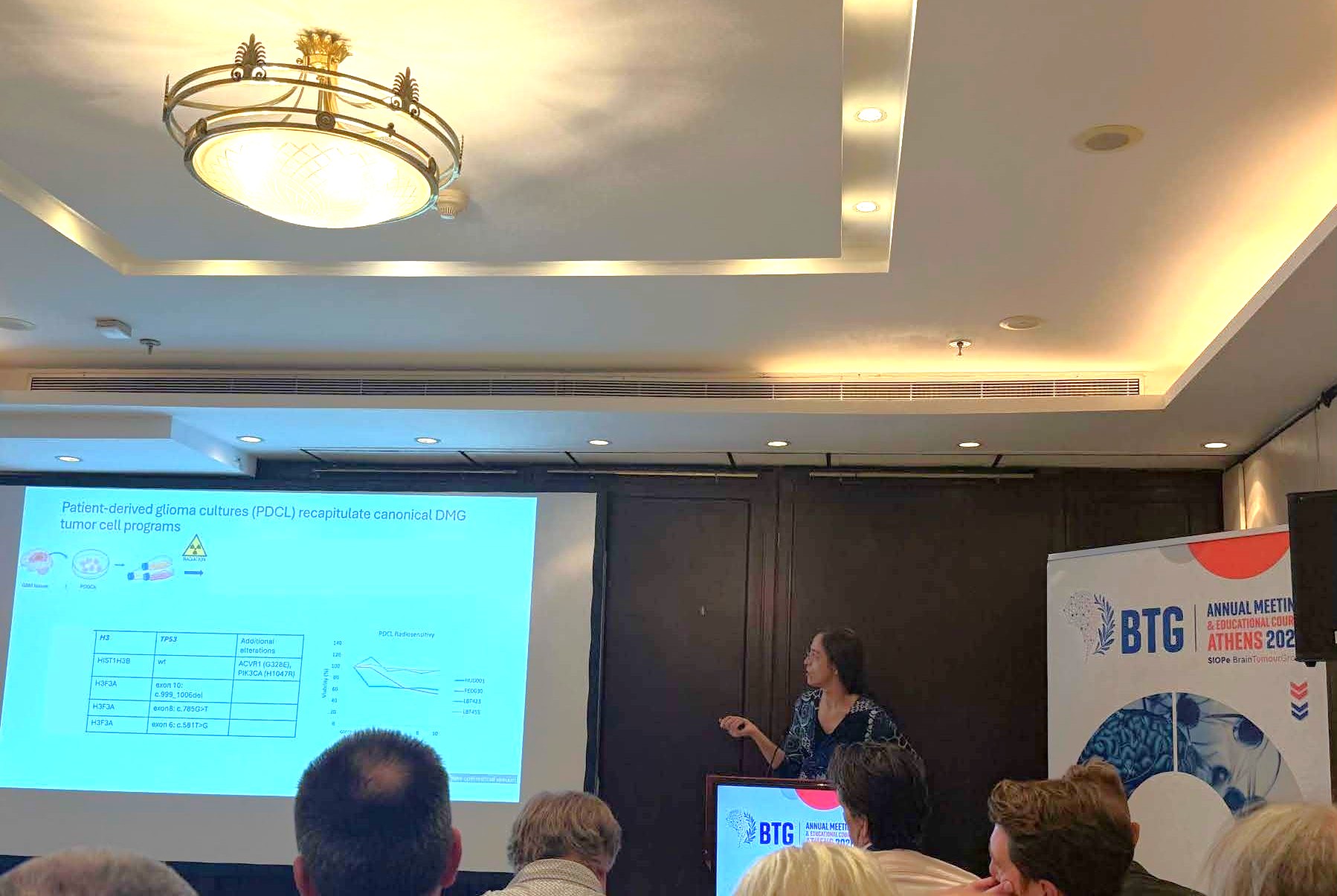
At the SIOPE Brain Tumour Group Annual Meeting 2026, KU Leuven researcher Julie Morscio discussed how patient-derived tumour models can help investigate why diffuse midline glioma cells survive radiotherapy. Read her testimonial.
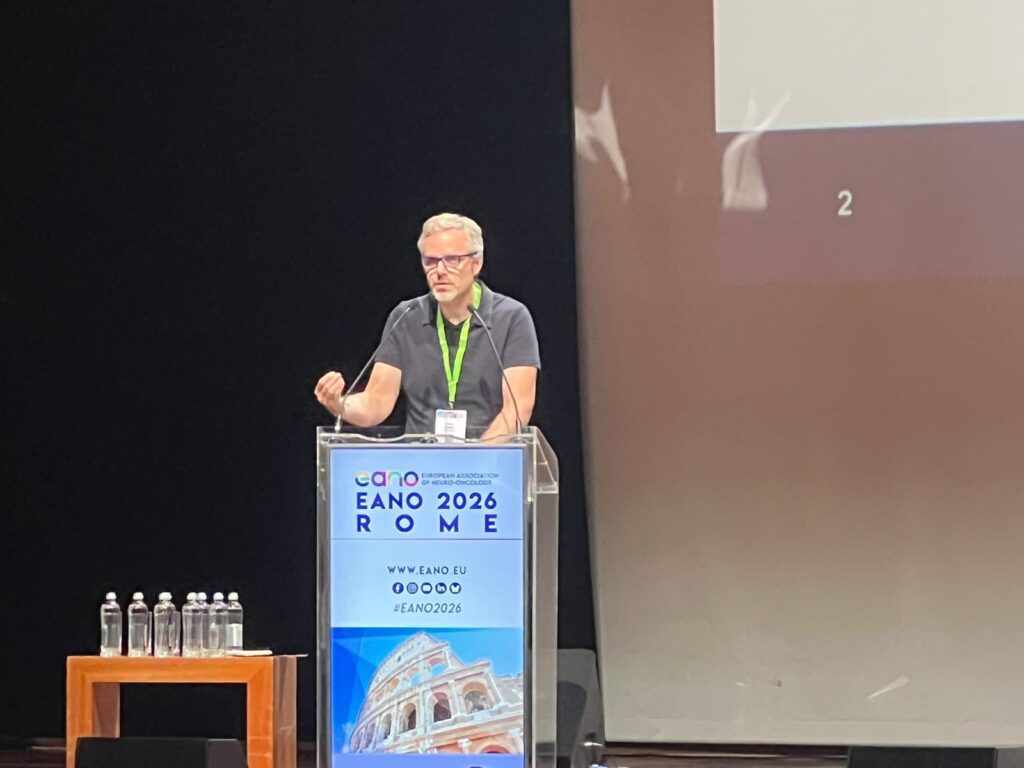
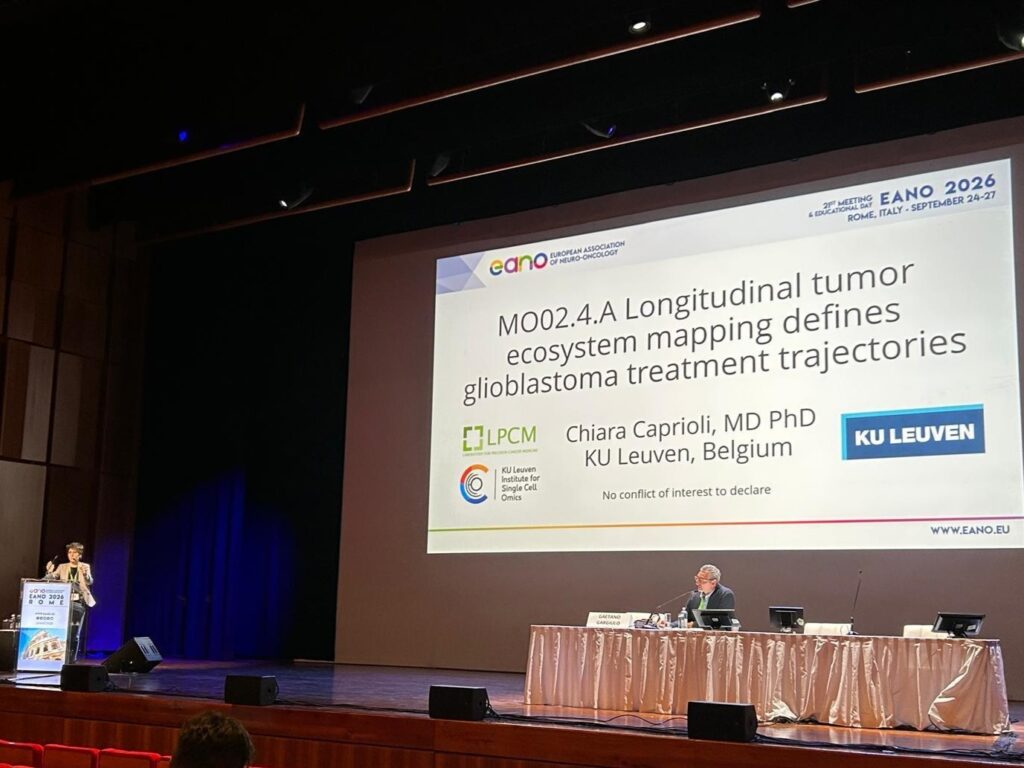
In this GLIOMATCH: Explained episode, Dr. Chiara Caprioli and Prof. Frederik De Smet from KU Leuven explain how new research has mapped the evolution of glioblastoma from diagnosis to recurrence, identified distinct tumour trajectories and established a framework that could support more personalised treatment decisions.
In this GLIOMATCH: Explained episode, Prof. Dr. Sandra Jacobs introduces the paediatric clinical study, the participating centres and the challenges of working with archived samples from paediatric high-grade glioma patients.
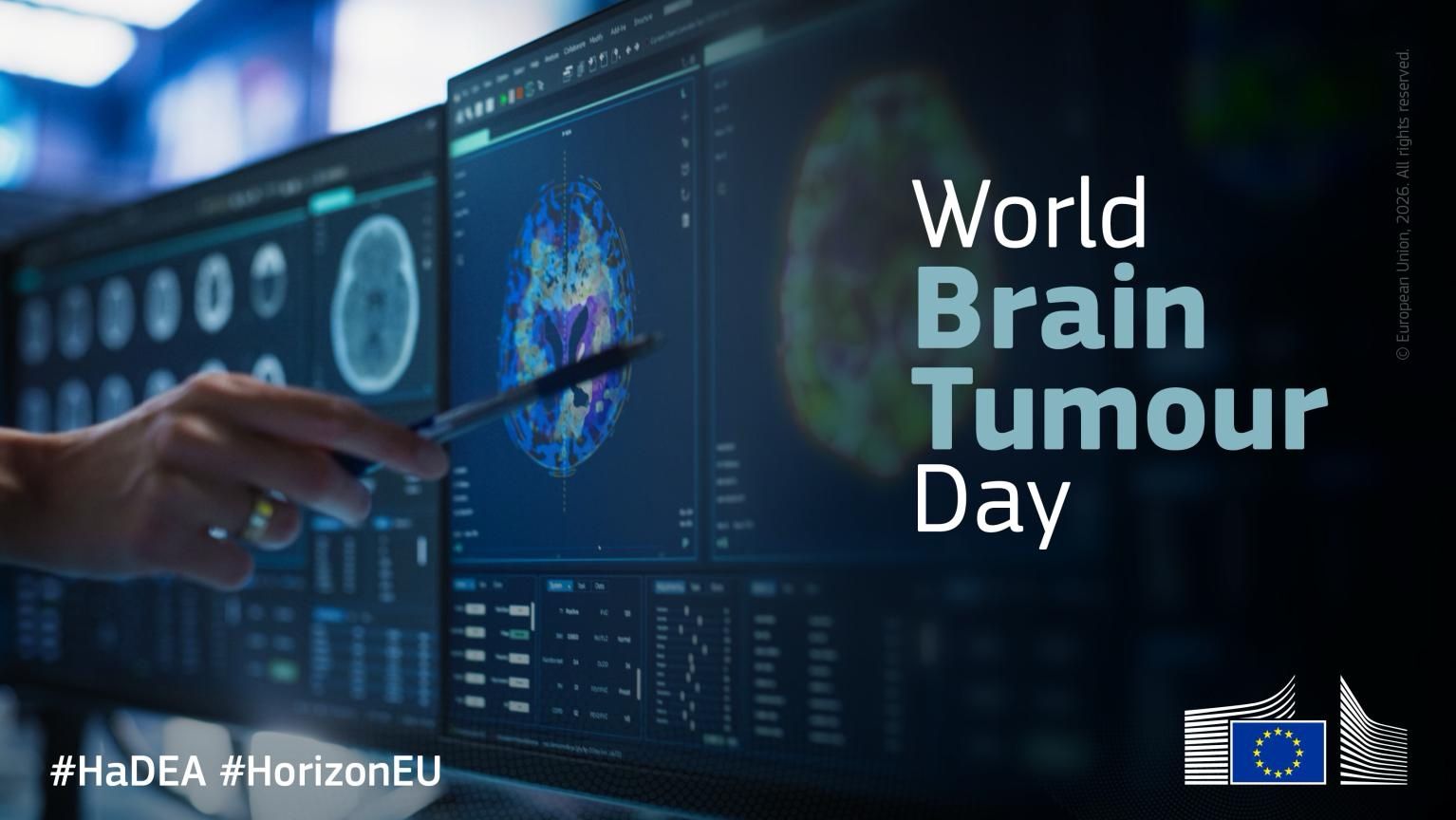
On World Brain Tumour Day 2026, GLIOMATCH participated in the European event “Advancing Brain Cancer Research: From policy action to scientific breakthroughs” at the European Parliament in Strasbourg. The event highlighted the urgent need to accelerate brain cancer research, strengthen European collaboration and turn scientific progress into improved care for patients.