Abbreviations

Abbreviations

GMB

Adult glioblastoma

pHGG

Paediatric high-grade glioma

UNCAN

EU initiative for understanding cancer

MRI

Magnetic resonance imaging 

SOC

Standard of care

I/O

Immuno-oncology

TTF

Tumour treating fields

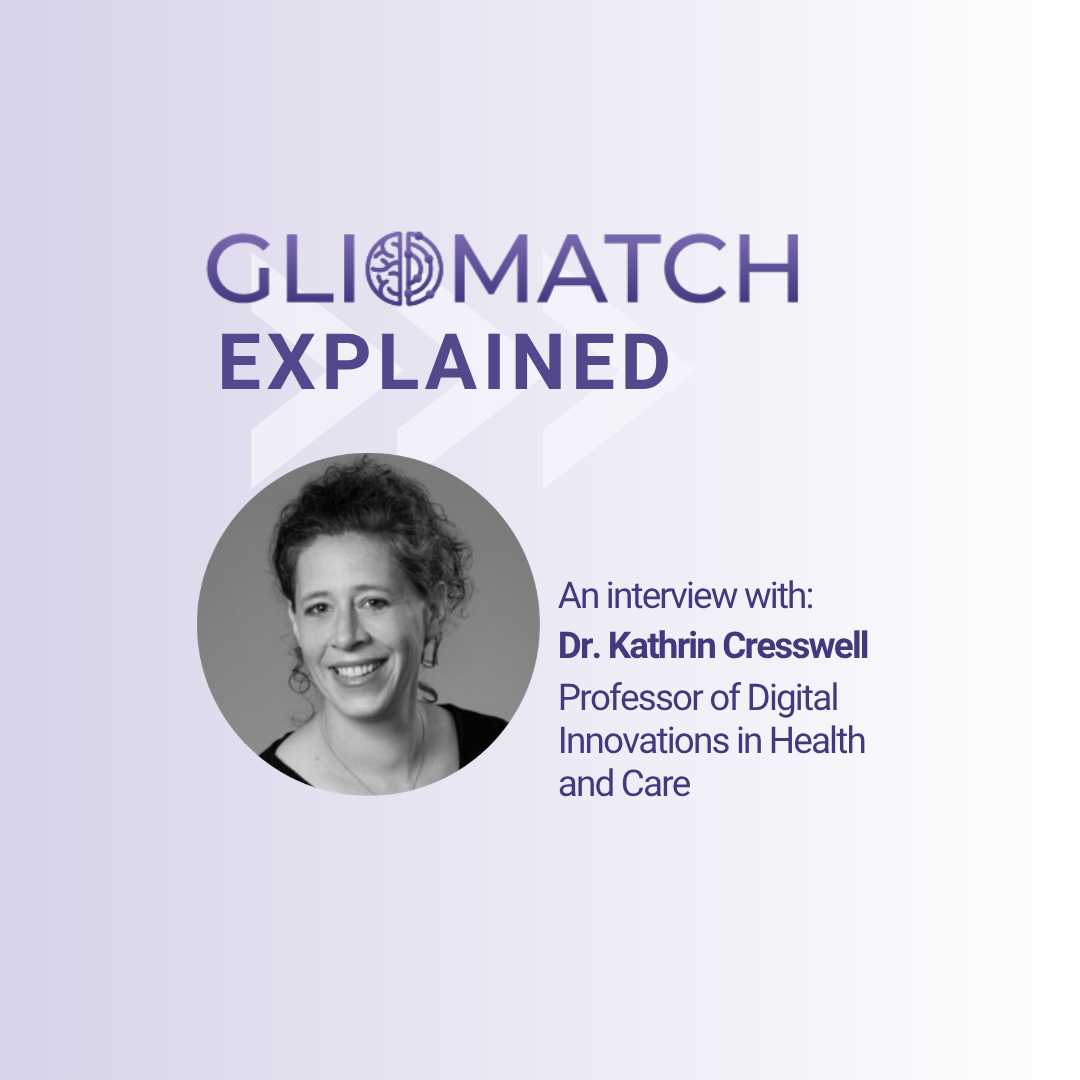
GLIOMATCH: Explained with Dr. Kathrin Cresswell

In this episode of the GLIOMATCH: Explained video series, Dr. Kathrin Cresswell, Professor of Digital Innovations in Health and Care at the University of Edinburgh (UEDIN), explains how GLIOMATCH is working to ensure the successful use and implementation of its novel data platform. We’ve summarised the interview in this news piece.

What are your roles within GLIOMATCH?

Kathrin Cresswell is the leader of the implementation science aspect of GLIOMATCH. Her team works on maximising the chances of successful implementation and adoption of the GLIOMATCH platform, ensuring its scalability and long-term sustainability.

What are the challenges scientists face when implementing new technology systems?

New technology systems are being developed constantly. The main problem is that most health information technology interventions – between 70 and 90% – fail because people don’t use them. This is due partly to that fact that these new technology systems sometimes create more work, disrupt organisational processes or are simply not deemed necessary to procure by the organisations that could use them. Other times, there might be existing health system factors that impede the implementation and adoption of these new technology systems.

“The majority of health information technology interventions fail because people don't use them. This is exactly what we're trying to avoid with the work we’re doing.”

How is GLIOMATCH working to address technology implementation challenges?

To mitigate the risks associated with known socio-technical challenges from the very beginning, the GLIOMATCH implementation science team is following a set framework rooted in social science. They conduct qualitative research through interviews and observations to analyse how the technology is being developed. They also involve different stakeholders, including patients and carers, and healthcare professionals in the development of the GLIOMATCH platform. This collaborative process increases the likelihood that the information provided by the GLIOMATCH platform will be adopted and implemented by the healthcare sector.

What is the ultimate implementation goal for the GLIOMATCH platform?

The implementation science team plans to integrate the GLIOMATCH platform within existing technological infrastructure, namely electronic health record systems. They are also looking to integrate it within existing work practices to familiarise end-users with the platform. This ensures that the new technology GLIOMATCH helps them in their work, rather than creating additional work for them.

“We're co-creating the GLIOMATCH platform with different stakeholders including patients, carers and healthcare professionals, who will then hopefully action the information that GLIOMATCH provides”
The final publication and video interview will be available on our website shortly. 

In the meantime, we invite you to discover the rest of our GLIOMATCH: Explained series on our video page.

Follow GLIOMATCH on LinkedIn and Facebook for more information on brain tumour research and updates on our milestones towards improving the clinical outcomes of GBM and pHGG.

More Posts

GLIOMATCH shares its work at the EU Cancer Mission Showcase in Brussels

On World Brain Tumour Day 2026, GLIOMATCH participated in the European event “Advancing Brain Cancer Research: From policy action to scientific breakthroughs” at the European Parliament in Strasbourg. The event highlighted the urgent need to accelerate brain cancer research, strengthen European collaboration and turn scientific progress into improved care for patients.

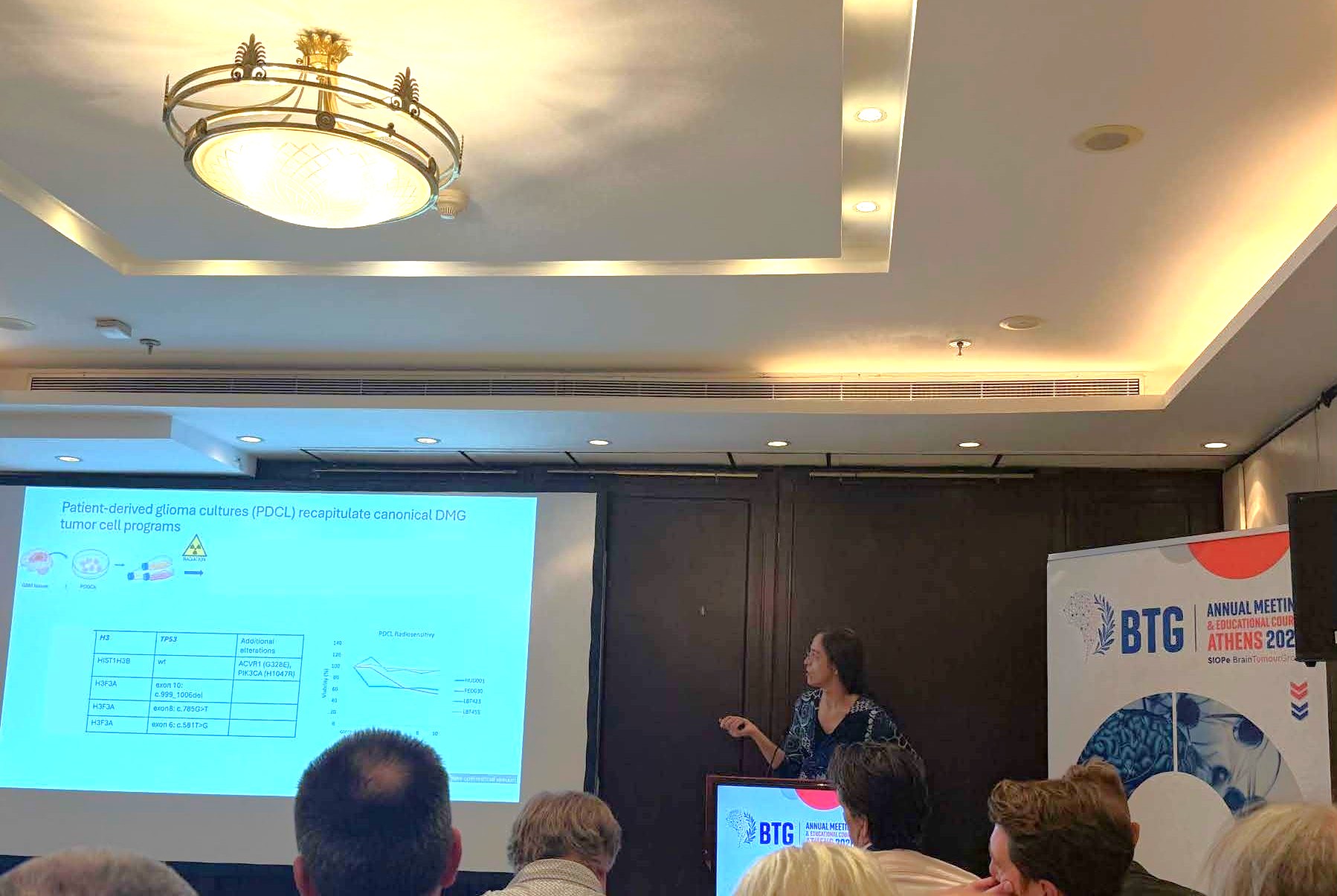
Highlights from partner talks at EANO 2026

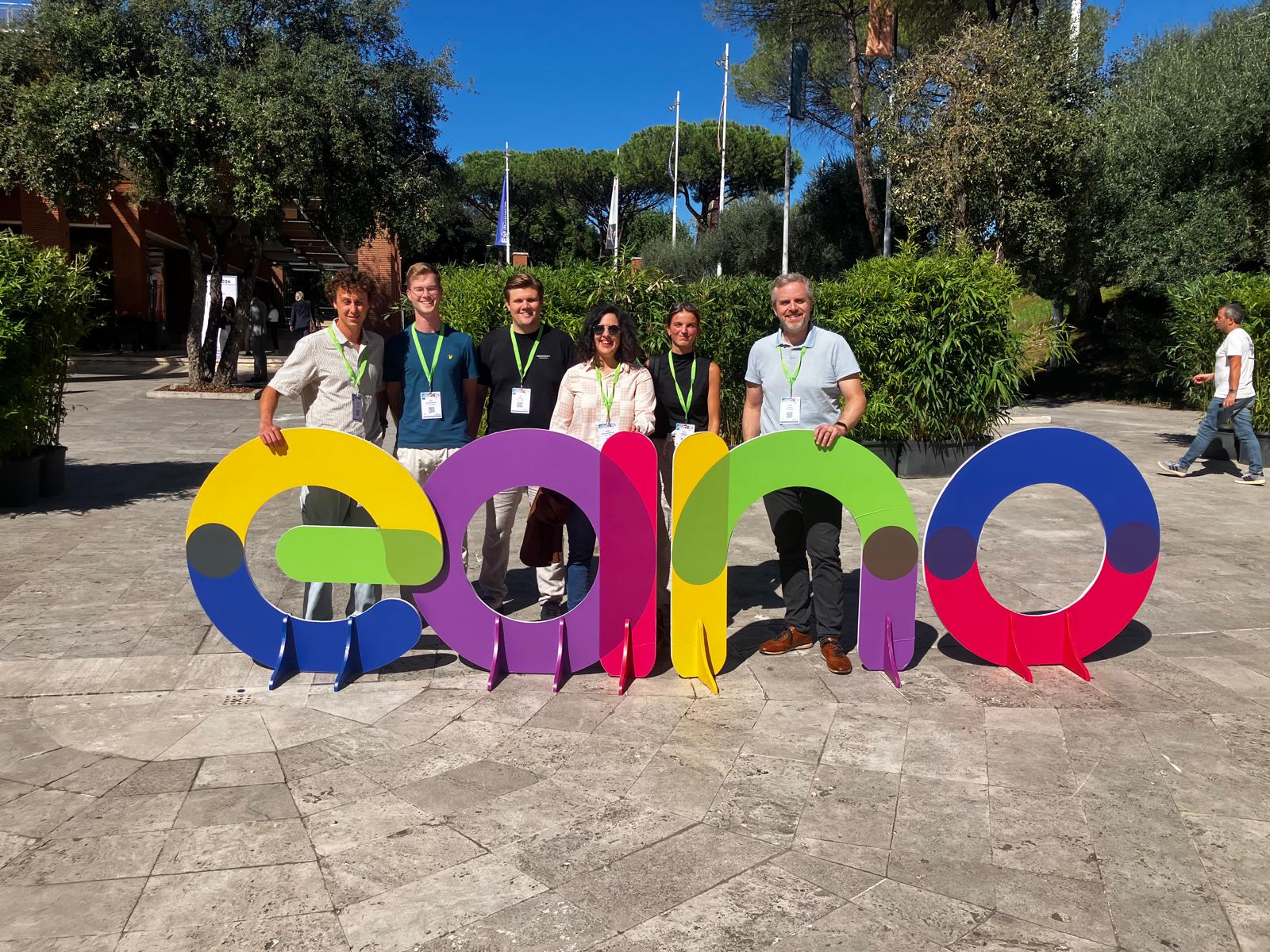
The KU Leuven team attended EANO 2026 in Rome and Chiara Caprioli and Frederik De Smet presented glioblastoma research and a patient-derived brain tumour model. Discover highlights from the conference.

Childhood Cancer Awareness Month 2026: Spotlight on GLIOMATCH’s paediatric glioma research

On International Childhood Cancer Day, GLIOMATCH highlights the urgent need for research into paediatric high-grade gliomas (pHGGs), rare and aggressive brain tumours affecting children. With a median survival of just over one year and no curative treatment available, collaborative research efforts are essential to better understand the disease, develop dedicated models, and tailor therapies that improve outcomes and quality of life for young patients and their families.